In this Redimind review, I am focusing on a memory supplement made by Nutreance LLC, a company that sells a range of health supplements which make big claims - to help you sleep better, feel less stressed and more. They say Redimind can help your brain work better and improve your memory. To me I thought that this sounds absolutely great, so was eager to give it a try, right? So in my review, I’m going to take a closer look at things. I will talk about the following elements. I’ve read up on a lot of the scientific research on the ingredients as well and feel well placed to give a good appraisal.
What’s actually in Redimind
Whether what they say about their ingredients is actually true
If the amount they’ve used of these ingredients is enough to make a difference
A few things that might not be so great
How they’ve put it all together
If there are some better alternatives.
So what exactly is Redimind?
Redimind is a nootropic supplement that's been getting some attention lately. Made by Nutreance LLC, it claims to significantly improve short-term memory, boasting a 51% increase in scores on the ISLT Memory Test within just 30 days of use [1]. Plus, they say over 95% of folks in their study felt their memory got better after taking it for a month [1]. But, here's the catch: the study they mention isn't exactly solid science. It wasn't peer-reviewed and was based on a paid questionnaire with a small group of participants [2]. This is kind of surprising because the results they're talking about don't line up with what I have already found out from tons of research on the ingredients in Redimind[2-7]. Speaking of what's inside, Redimind contains a blend of Bacopa Monnieri, Ginkgo Biloba, Alpha GPC, Lion's Mane, and Huperzine A, all mixed into a 350mg proprietary blend [1]. The thing is, they keep the exact amounts of each ingredient under wraps, which makes it hard to really know if they're using enough of anything to actually work [1]. Given what's out there, Redimind's formulation, with its six basic ingredients, might not be as powerful as it claims, especially since all the good stuff has to fit into that 350mg blend [2].
Scientific assessment of Redimind claims and dosages:
I am now going to go through each claim, their ingredients dosing strategy and the clinical study on the brand and report back on my findings. I’ve researched each one and aim to provide a perspective on each area.
Claim 1: Clinically proven to boost short term memory scores on the ISLT memory test by 51% within 30 days
I find that this claim is very ambitious, considering the modest effects typically associated with the ingredients in Redimind. For example, studies on Bacopa Monnieri, a key ingredient, have shown improvements in memory, but the effect sizes are generally smaller than 51% and require doses exceeding 300mg alone, far beyond what the Redimind blend offers [3]. Similarly, Ginkgo Biloba's effectiveness in enhancing cognitive functions has been observed with dosages ranging from 120mg to 240mg daily, suggesting that the dosages in Redimind almost certainly do not reach these therapeutic levels [4].
Claim 2: Over 95% of clinical study participants experienced improved short term memory after taking RediMind for 30 days
I find that this level of unanimous positive feedback is rare in clinical studies. The lack of peer review and reliance on a paid questionnaire for this study diminishes it’s reliability. Statistical issues, including a small sample size, can significantly bias results. The available research on Alpha GPC, Lion's Mane, and Huperzine A shows cognitive benefits at dosages that would be impossible to match within the proprietary blend of Redimind [5-7]. Without transparency in ingredient dosages, it's challenging for me to consider that this can validate such a high efficacy rate.
Potential issues with their dosage strategy:
The proprietary blend of 350mg, which includes Bacopa Monnieri Powder, Ginkgo Biloba Powder, Alpha GPC 50%, Lion's Mane Powder, and Hyperzine A, is problematic for me.
Given the scientifically backed dosages for each ingredient to be effective, it's highly unlikely that Redimind contains enough of any single ingredient to produce the claimed effects. For example, clinical studies supporting cognitive benefits for Lion's Mane suggest dosages upwards of 500mg [8], while effective dosages for Alpha GPC start at around 300mg [9]. the entire Redimind serving size is a measly 350mg for all 6 ingredients in total.
Redimind's use of a proprietary blend does not disclose the specific amount of each ingredient. A proprietary blend lists a combined amount without giving the individual amounts. That limits how closely I can compare the individual doses with scientific studies. This lack of transparency from Redimind makes it difficult for both consumers and researchers like myself to assess the validity of the product's claims.
Redimind's "Clinical Study": some perspectives especially around methodology:
The design of the study and “blinding”: I found that the study is single-blinded, not double-blinded. This means that while the participants did not know whether they were receiving the active supplement or the placebo, the researchers will have known. This could introduce bias in the administration of the study and interpretation of the results.
Some questions around sample size and statistical robustness: The study involved 50 participants, which is relatively small for a clinical trial. A small sample size may not provide enough statistical significance or robustness to confidently detect a difference between the active supplement and the placebo, if one exists. Re-running the study several times, or selectively excluding some participants would also yield the desired result.
Using a self perception questionnaire (SPQ) as the primary outcome: The primary outcome is based on a self-perception questionnaire, which is inherently subjective in my opinion. While subjective measures can be valuable, I have found over the years that they are more prone to bias, especially in the absence of objective cognitive tests to corroborate the findings.
The lack of a peer review: The study document does not indicate that the study has been peer-reviewed. My view is that a peer review is crucial for validating the rigor and credibility of research findings.
Data interpretation and claims: The conclusion claims significant improvements in memory based on the SPQ responses, with specific percentages of improvement noted. Without access to the raw data, statistical analysis methods, and considering the subjective nature of the SPQ, I would say that these claims require cautious interpretation.
Existing concerns around the use of a proprietary blend and transparency on the dosage levels of ingredients: The study does not provide specific details on the dosage of each ingredient within the proprietary blend of Redimind. This lack of transparency makes it difficult to assess whether the dosages used are consistent with those shown to be effective in other clinical studies.
While the study claims to demonstrate the efficacy of Redimind in improving memory, the issues that I have outlined above limit the reliability of the findings, in my opinion. The reliance on subjective measures, small sample size, lack of double-blinding, and absence of peer review are significant shortcomings. The proprietary nature of the supplement blend is designed to deliberately prevent a detailed scientific evaluation against existing research on the individual ingredients. For me, I feel that the study's claims about Redimind's efficacy in enhancing memory should be viewed with real scepticism.
My firsthand experience with Redimind:
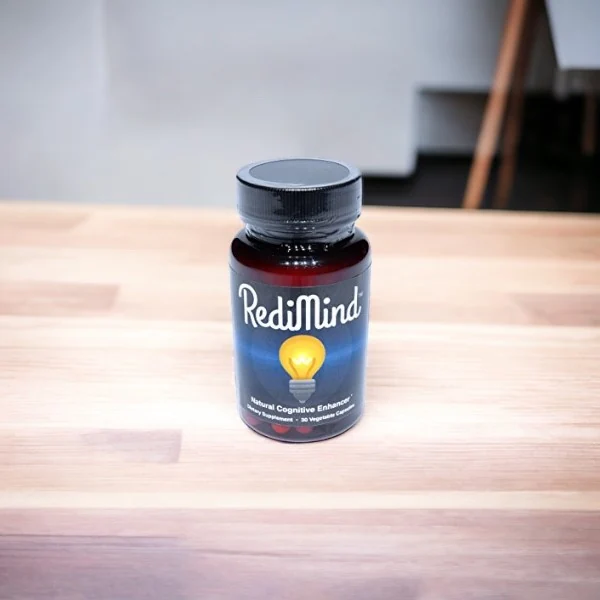
My experience with Redimind was very underwhelming to say the least. Despite diligently following the recommended dosage, the surge in cognitive clarity and memory recall that I expected to happen did not materialise as suggested. On top, the hope of enhanced mental sharpness and memory promised by the brand also never appeared. I was pretty disappointed. Redimind's proprietary blend, comprising Bacopa Monnieri, Ginkgo Biloba, Alpha GPC, Lion's Mane, and Huperzine A has shortcomings, as I’ve mentioned. However, I would still but each ingredient is potentially relevant. Bacopa Monnieri, for instance, has been shown to improve memory in several studies, but effective results often require doses exceeding what Redimind likely provides, given its mix of ingredients [10]. Similarly, Ginkgo Biloba's positive effects on cognitive function are documented but require dosages around 120-240mg per day, which again casts doubt on Redimind's formulation [11]. Lion's Mane mushroom has got some attention for it’s potential neuroprotective benefits, but the research is still in its infancy, with most studies conducted on animals rather than humans [12]. Alpha GPC shows promise in enhancing cognitive function, particularly in individuals with cognitive impairments, but the effectiveness in healthy individuals remains to be conclusively proven [13]. Huperzine A, celebrated for it’s impact on memory and cognitive functions, also suffers from a lack of extensive, long-term studies confirming its benefits [14] and it's widely acknowledged that on-going supplementation without a break in usage is not recommended. My real-world experience with Redimind starkly contrasts with Nutreance's claims. The anticipated boost in memory and cognitive sharpness felt more like a placebo effect than a tangible improvement. While some days brought a slight improvement in alertness, attributing this to Redimind rather than other lifestyle factors became increasingly difficult as the trial progressed. My experience raises questions about the efficacy of Redimind. The reliance on a proprietary blend not only obscures the exact amounts of each ingredient but also hinders a clear understanding of their individual and combined effects. Without transparency in formulation and dosages that align with those proven effective in scientific studies, the claims made remain speculative at best. Redimind's promise of dramatically enhanced cognitive functions and memory recall was not realised by me in practice. While the allure of a quick fix to boost brain power is undeniable, the experience with Redimind serves as a reminder that some supplement brands are quick to make promises their products simply can't deliver on.
Pros and cons
Advantages of Redimind:
It does contains proven ingredients: Redimind includes ingredients like Bacopa Monnieri and Ginkgo Biloba, which have been studied for their cognitive-enhancing effects.
It’s a non stimulant: Unlike some cognitive enhancers, Redimind does not rely on stimulants, reducing the risk of jitteriness or crashes.
It may support overall brain health: Beyond memory, the supplement's ingredients may support broader aspects of brain health, including focus and processing speed.
Disadvantages of Redimind:
The effects on me were very weak: I really did not experience any noticeable benefits.
It has a “proprietary blend”: This means that the exact amounts of each ingredient are not disclosed, making it difficult to assess effectiveness and compare with clinical studies.
Other users all have seen mixed results with a real lack of results: I’ve read that other users also report minimal to no effects, indicating variability in individual responses. It’s highly likely that many users may not experience noticeable improvements in the short term, leading to disappointment.
Their clinical trial has clear weaknesses: While ingredients have been studied, the specific formulation of Redimind has not been evaluated in peer-reviewed research, yet Redimind tries to give this impression through their own flawed research.
Potential side effects could exist: There's a risk of side effects, including stomach discomfort and/or allergic reactions.
It could also negatively interact with other medications: Some ingredients might interact with prescription medications, so always best to consult your doctor before taking anything like this.
Ingredients and evidence
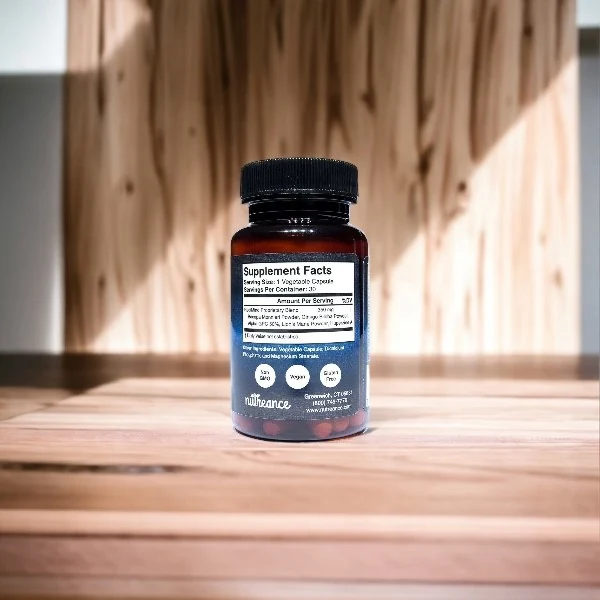
Redimind Proprietary Blend 350mg (Bacopa Monnieri Powder, Ginkgo Biloba Powder, Alpha GPC 50%, Lion's Mane Powder, Hyperzine A)
I’ve already said that Redimind uses a proprietary blend of nootropic ingredients, each with scientific backing for cognitive enhancement. However, the use of a proprietary blend obscures the precise dosage of each component, raising concerns to me about the formula's efficacy compared to clinically studied doses. Here’s what I’ve researched on each component of the proprietary blend:
Bacopa Monnieri
Bacopa Monnieri is renowned for it’s memory-enhancing effects. Research indicates effective doses range from 300 to 450mg daily [15]. Studies utilising these doses have shown significant improvement in memory recall and cognitive function over 12 weeks [16].
Ginkgo Biloba
Ginkgo Biloba has been studied extensively for it’s cognitive benefits, particularly in improving blood flow to the brain and enhancing cognitive function. Effective doses are generally around 120 to 240mg per day [17]. Research supports it’s use for cognitive enhancement, especially in individuals with cognitive decline [18].
Alpha GPC
Alpha GPC is a choline compound shown to improve cognitive function and memory. Effective dosages in studies typically start at 300mg [19]. It is especially noted for it’s role in enhancing cognitive function in individuals with mild cognitive impairments [20].
Lion's Mane Mushroom
Lion's Mane Mushroom has shown promise in stimulating nerve growth factor and supporting neurogenesis. Studies suggest a dosage range from 500 to 3000mg to observe cognitive benefits [21]. However, more research is needed to firmly establish effective doses [22].
Huperzine A
Huperzine A is known for it’s neuroprotective properties and it’s ability to improve memory and cognitive functions. Studies have used doses around 50 to 200µg twice daily, showing improved memory function over longer periods [23].
The major Issue I have with Redimind's proprietary blend:
The primary concern is that the blend totals 350mg without disclosing the individual amounts. That makes it difficult to compare each ingredient with the forms and doses in the scientific literature. The blend total alone does not show that every ingredient is below a studied amount. This lack of clarity is a limitation in my opinion.
While the ingredients in Redimind have been associated with various cognitive benefits in scientific studies, the product's proprietary blend and the total dosage make it unlikely that users will experience the promised effects. I certainly did not. Without clear, individual dosages, it's challenging to compare the product's formulation directly with the evidence from clinical research, posing a significant issue for consumers looking for effective cognitive enhancement. This significant discrepancy also raises further doubts over the validity of Redimind's research results as they are in stark contrast to the clinical evidence on the ingredients used.
So there are really 3 main issues with this product:
Unfulfilled claims: Despite the promise of a significant boost in memory and cognitive sharpness, my experience did not match up with the brand's claims. The anticipated enhancement in short-term memory and mental agility remained elusive throughout all of my testing.
A massive concern with the use of the “proprietary blend”: A fundamental issue with Redimind is it’s use of a proprietary blend, which conceals the precise amounts of each ingredient. This lack of transparency intentionally makes it difficult to assess the formula's potential effectiveness.
Key ingredients are inadequately dosed: Given the total blend is 350mg and considering the ingredients used, it’s implausible that each ingredient is present in a clinically effective dosage. This discrepancy likely contributed to the negligible improvements that I (and others) experienced.
Side effects that could occur (from my research):
Bacopa Monnieri: While beneficial for memory, I have found that doses below 300mg might not offer the full spectrum of benefits, and even at appropriate dosages, users might experience gastrointestinal side effects such as stomach cramps and nausea [24].
Ginkgo Biloba: My research has told me that this is effective for cognitive enhancement in doses around 120-240mg, and then there is the risk of potential side effects which include headaches, dizziness, and, in rare cases, increased bleeding risk [25].
Alpha GPC: This is known to support cognitive function, especially in the elderly or those with cognitive decline, at dosages of 300-600mg. Side effects can include insomnia, headaches, and dizziness [26].
Lion's Mane: This mushroom has been linked to cognitive benefits at higher doses than what Redimind likely provides. Side effects are rare but can include gastrointestinal discomfort [27].
Huperzine A: Small doses can impact cognition, but side effects may include nausea, diarrhoea, and cramping. Without clear dosage information, the risk of adverse effects increases [28]. It’s hard to tell how much of each of these components feature in the formulation.
My overall verdict:
Redimind has a small serving size: Redimind's total blend of 350mg limits the potential impact of it’s limited range of ingredients, falling short of providing the dosages necessary for noticeable cognitive enhancement.
The individual ingredient doses are unclear: The proprietary blend does not disclose the amounts of Bacopa Monnieri and Lion’s Mane, preventing a direct comparison with the forms and doses used in studies.
It provided me with minimal cognitive improvements: During my testing period, Redimind's promise of enhanced memory and cognitive function was not realised, with little to no perceived benefits.
The proprietary blend does not state individual amounts: Redimind's use of a proprietary blend does not disclose the exact amounts of each ingredient, making it challenging to evaluate it’s potential efficacy against scientific evidence.
My recommendation is to look at an alternative: Based on my testing and experiences, I would recommend ThinkEase as a superior brain and memory supplement. This is a much more comprehensively thought out product. It features a formulation that is supported by scientific research and the formulation is transparent in it’s disclosure of ingredients. I have experienced very tangible improvements in cognitive performance and memory when I have tested this product so it’s recommended.
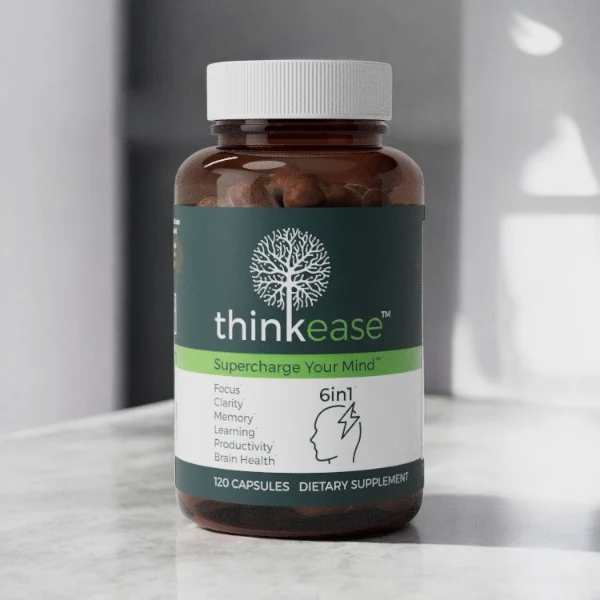
My overall experience and assessment of Redimind has been disappointing. My experiences did not compare positively at all with the claimed cognitive improvements promised. The major stumbling block for me throughout this whole report is the proprietary blend, which masks the exact dosages of each component. As I’ve said this is making it challenging to gauge the formula against the backdrop of scientific evidence that supports cognitive benefits at specific, and often much higher, dosages [29-31]. By way of contrast, my top recommended memory supplement, ThinkEase provides a notably superior level of cognitive performance, recall, and mental agility. The difference lies in it’s transparent formula, which not only discloses the exact dosages of ingredients but also aligns them closely with dosages recognized in clinical studies for cognitive enhancement [32,33]. This makes the individual amounts easier to assess. For instance, Lion's Mane at 550mg and Bacopa Monnieri at 300mg in ThinkEase are within the ranges supported by research for optimizing cognitive functions [34,35]. The side effects observed with Redimind, although minor, could potentially stem from the uncertain dosages of it’s ingredients, such as gastrointestinal discomfort from Bacopa and slight dizziness associated with Ginkgo Biloba [36,37]. These were notably absent in my previous experiences with ThinkEase, although that does not establish a difference in safety between the products. Redimind's unclear approach leaves much to speculation regarding actual efficacy and safety. ThinkEase’s approach of transparency and scientific rigour provided me with tangible improvements in cognitive functions, setting a standard for what consumers should seek in a nootropic supplement.