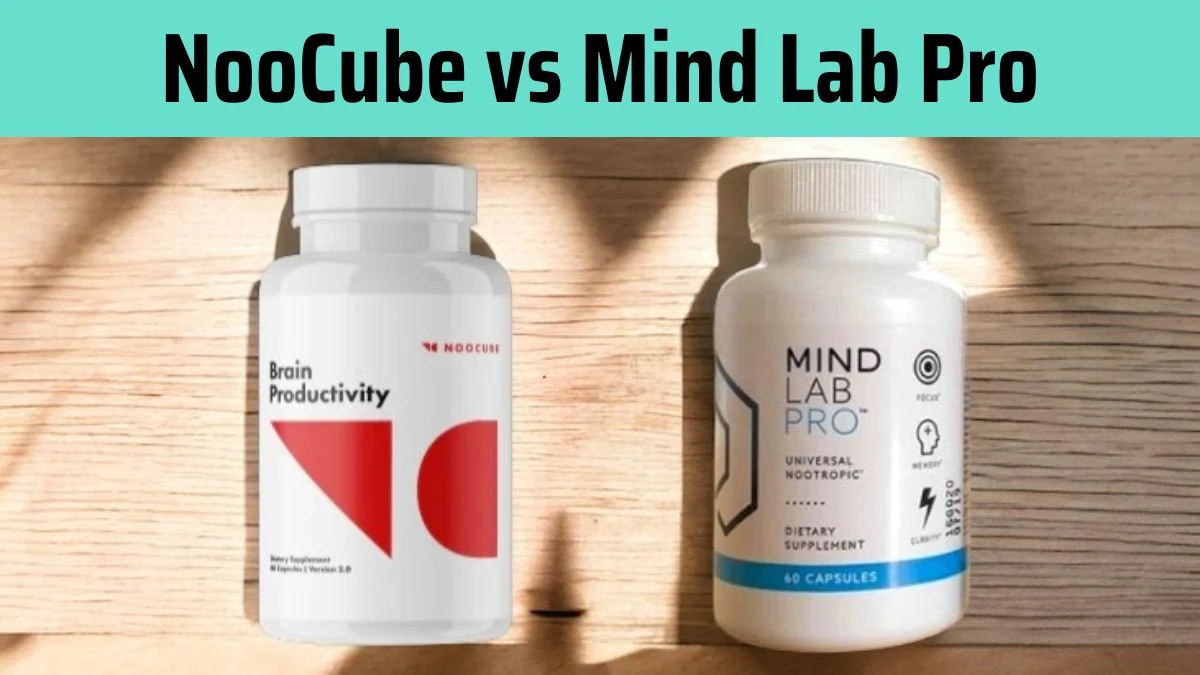

I find that choosing the right nootropic supplement can be quite challenging given the numerous options available. In this article, I am reviewing NooCube and Mind Lab Pro, testing them out and comparing them both. I have tested and evaluated both of these products in detail and my goal is to see how they perform in everyday use. This also includes how well they meet their claims, and how their ingredients hold up to scientific scrutiny. By testing them personally and examining the research behind their components, I will offer a thorough comparison to assist you in making an informed choice.
More information on both products:
I believe that keeping your mind sharp and agile is crucial, and nootropics have surged in popularity for their ability to enhance brain function. Two standout products in this arena are NooCube and Mind Lab Pro, each offering a distinct approach. Mind Lab Pro is designed as a comprehensive cognitive enhancer, aiming to boost focus, clarity, memory, mood, and overall brain health. It’s diverse ingredient list includes Lion’s Mane Mushroom, Citicoline, and Rhodiola Rosea, each selected for their potential to improve various mental functions, such as memory retention and stress reduction [1,2]. On the other hand, NooCube takes a simpler marketing approach, emphasizing quality and value. It’s formula aims to sharpen focus, enhance problem-solving abilities, boost memory and alertness, combat screen fatigue, and reduce brain fog. Quite a list of claims but a comprehensive offering nonetheless. Notable ingredients include Bacopa Monnieri, choline, and LuteMax 2020, all recognized for their cognitive benefits and backed by scientific studies [3,4]. While Mind Lab Pro adopts a broad-spectrum strategy for cognitive enhancement, NooCube focuses on delivering targeted benefits. In this comparison, I will examine how these different approaches perform in real-world scenarios, offering insights to help you decide which nootropic could be for you.
NooCube’s claims:
NooCube is marketed as a powerful cognitive enhancer, featuring a blend of ingredients specifically selected to boost mental sharpness. Promoted as a comprehensive solution for those looking to improve cognitive functions, NooCube claims to offer several benefits, including increased focus [5], enhanced problem-solving skills [6], improved memory and alertness [7], protection against screen-induced eye strain [8], and reduction of brain fog, particularly related to fatigue [9]. NooCube's formulation includes key ingredients like Bacopa Monnieri and L-theanine, which are well-known for their cognitive benefits and supported by scientific research [10]. The focus on scientifically backed ingredients positions NooCube as a credible option in a market where many supplements rely more on anecdotal evidence than rigorous scientific scrutiny [11,12]. NooCube's claim of being a versatile nootropic supplement is supported by its inclusion of a variety of scientifically studied ingredients. Whilst it claims to enhance focus, memory, and problem-solving abilities, it's important to consider these claims with a balanced perspective. Individual responses can vary, and NooCube should be part of a broader approach to cognitive health and overall well-being [13,14].
Mind Lab Pro’s Claims:
Mind Lab Pro is marketed as a comprehensive nootropic designed to boost various cognitive functions. It claims to improve information processing, focus, memory recall, verbal fluency, and mental agility, even under stress. The brand asserts that users will begin to notice benefits like increased alertness and sharper focus within 30 minutes, with enhancements in concentration and clarity developing over time [15]. The recommended dose is two capsules taken with morning coffee, offering a smooth rise in mental energy without the jitteriness often linked to caffeine. However, I believe that evaluating Mind Lab Pro's effectiveness requires a look at it’s serving size and ingredient concentrations. Compared to alternatives like NooCube, Mind Lab Pro has a smaller serving size and lower doses of its ingredients. This must surely affect both the potential impact and the overall value of the supplement. For example, the cognitive benefits per serving from Mind Lab Pro might not be as substantial or long-lasting as those from more concentrated formulations [16]. Mind Lab Pro contains several well-researched nootropic ingredients, including Lion’s Mane Mushroom, Citicoline, L-tyrosine, and Rhodiola Rosea. Each of these ingredients is known for specific cognitive benefits. Lion’s Mane Mushroom is associated with nerve growth and brain health [17], Citicoline enhances memory and cognitive flexibility [18], L-tyrosine helps reduce stress and improve performance under pressure [19], and Rhodiola Rosea is known for reducing fatigue and boosting mood [20]. Despite these beneficial ingredients, the dosages in Mind Lab Pro are lower than those typically used in clinical studies, raising questions in my mind about it’s ability to deliver on all of the promises. For instance, Citicoline is effective at doses of 250-500 mg, but the lower end of this range in Mind Lab Pro may not be as effective [21]. Similarly, Rhodiola Rosea shows the best results at higher doses than what Mind Lab Pro provides [22]. Mind Lab Pro aims to be an all-encompassing cognitive enhancer, but it’s smaller serving size and lower ingredient concentrations compared to other supplements result in a less potent formula. It will be interesting to see how the products behave in real life, and the effect on me when tested.
The real world test results!
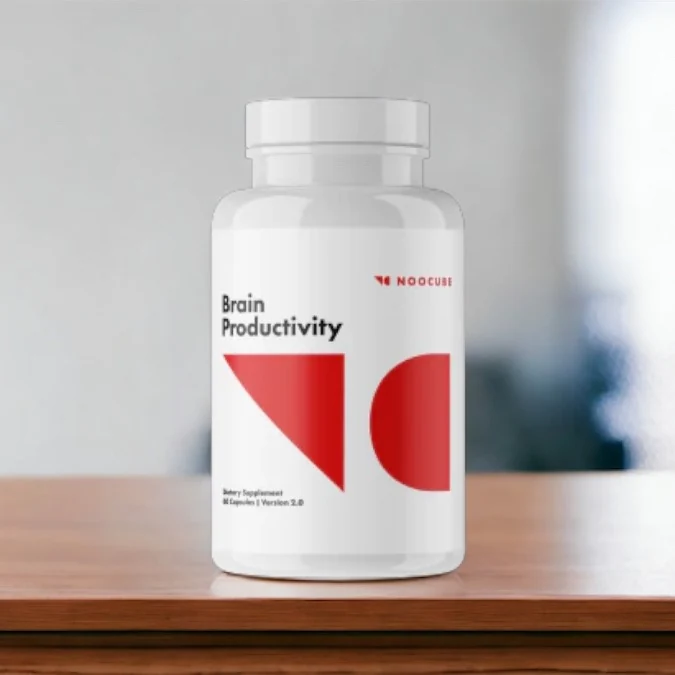
NooCube: It clearly lives up to it’s claims: My experience with NooCube was really positive, closely aligning with the brand's claims. This nootropic supplement, with its varied ingredients, delivered noticeable improvements in several cognitive areas. One of the first enhancements I noticed was in mental focus. Tasks that typically felt monotonous or hard to concentrate on became more engaging. My mind seemed more tuned in, allowing me to work without the usual distractions [23]. I also observed a significant boost in problem-solving skills. Complex tasks, whether in professional settings or daily life, felt less daunting, and I was able to navigate problems more smoothly and came up with solutions more efficiently [24]. Memory and mental alertness also improved. Recalling information, names, dates, and even small details became easier. This was particularly beneficial during meetings and discussions, where quick recall is crucial [25]. NooCube appeared to alleviate screen fatigue as well. Long hours in front of a computer usually result in eye strain and my eyes aching, but while using NooCube, I can say that I experienced less eye fatigue symptoms and fewer headaches [26]. It also seemed to be effective in reducing fatigue-related brain fog. Those typical slumps which you get right in the middle of an afternoon were less noticeable, and I seemed much more able to maintain mental clarity throughout the day [27]. These benefits align well with the well researched scientifically supported ingredients in NooCube, such as Bacopa Monnieri, which enhances cognitive function, and L-theanine, which promotes relaxation without causing drowsiness. These ingredients obviously work really well together and are likely to be key factors in contributing to the overall positive effects I experienced [28]. My experience with NooCube was excellent overall. It delivered on it’s promises and demonstrated the benefits of the well researched formulation.
Mind Lab Pro: smaller serving sizes and weaker results:
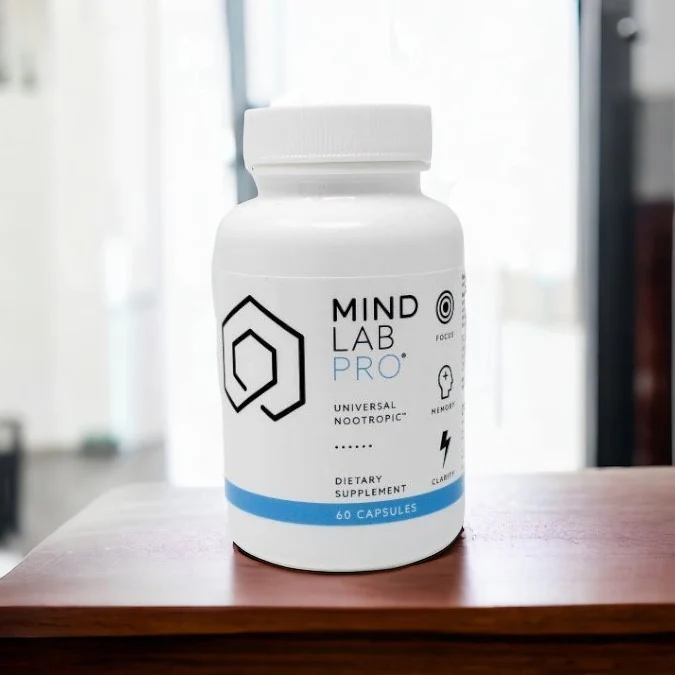
My trial of Mind Lab Pro resulted in only small enhancements in cognitive functions, influenced by its unique formulation and dosing. To start with the positives, I noticed a significant boost in alertness shortly after taking the supplement, aligning with the brand's promise of effects within about 30 minutes [29]. So a promising start for sure as this immediate increase in alertness was especially beneficial during morning routines, making it easier to transition into work. The focus was notably sharper during the first few hours, supporting Mind Lab Pro's claim of helping users concentrate on challenging tasks. However, the improvements in processing information quickly and accurately recalling names and details were only mediocre. While there was some enhancement in remembering everyday details, it didn't fully meet the high expectations set by the brand [30]. A significant observation I have with this product is the serving size. Mind Lab Pro recommends two capsules per serving, which, given the broad spectrum of ingredients, raises questions to me about the real effectiveness of each component. For example, although the doses of Lion’s Mane Mushroom and Citicoline seem adequate, the overall effectiveness might be diminished by the lower levels of other critical ingredients like Rhodiola Rosea and L-Tyrosine, which are vital for stress resistance and cognitive performance [31,32]. This smaller serving size could explain why benefits such as improved mental agility and quick thinking were less evident compared to supplements with higher doses of these key ingredients [33]. The difference between my experience and the brand’s claims became much more noticeable with prolonged use. Although Mind Lab Pro suggests that continuous use leads to steady improvements, I did find these enhancements to be much more subtle than I had expected. While there were gains in mental agility, motivation, and mood, they were not as significant as I had hoped [34]. Don’t get me wrong, Mind Lab Pro did provide a good cognitive boost, especially in terms of initial alertness and focus, but it’s overall impact was more limited compared to other nootropics like NooCube. I wholly believe that this limitation seems to stem from the lower levels of certain ingredients and the smaller serving size, which may restrict the supplement's ability to fully deliver on its more ambitious claims [35].
Pros and cons
NooCube:
Advantages:
Features a good breadth of ingredients: NooCube includes a variety of nootropics like Bacopa Monnieri and L-theanine, known for cognitive enhancement.
Their formulation is transparent: The specific dosages of each ingredient are clearly listed, allowing users to know exactly what they are consuming.
It delivers a good boost to various cognitive functions: It’s designed to improve focus, memory, mental agility, and even protect against screen fatigue.
The ingredients have been well and positively researched in scientific circles: Many of the ingredients in NooCube have been studied and shown to be effective for cognitive enhancement.
It’s caffeine free: NooCube doesn’t contain caffeine, making it a good option for those sensitive to stimulants.
It’s vitamin enriched: The inclusion of vitamins like B1, B7, and B12 support overall brain health.
It offers eye strain protection: Ingredients like LuteMax 2020 are included to reduce eye strain from screens.
Provides mental clarity without the jitters: Designed to enhance mental clarity and alertness without the jittery side-effects commonly associated with caffeine.
Disadvantages:
It requires regular intake to be effective: For best results, NooCube must be taken consistently, which might be challenging for some users.
May also require lifestyle modifications to be truly effective: The effectiveness of NooCube can be influenced by factors like diet, exercise, and stress levels, best results are seen when following a broad approach to health and well-being.
Mind Lab Pro:
Advantages:
It’s ingredients are quite diverse: Mind Lab Pro includes a variety of nootropics like Lion's Mane Mushroom and Citicoline, beneficial for cognitive health.
It promotes overall brain health: Targets several cognitive functions such as focus, memory, and mental clarity.
Also caffeine-free: Suitable for those sensitive to stimulants.
Cons of Mind Lab Pro:
It does have lower doses of some ingredients: Certain key ingredients are present in doses that may be lower than what is considered optimal in clinical studies.
Higher price point: Relatively high cost compared to some other nootropics.
The cognitive effect is more gradual: While some effects are quick, others, particularly those related to memory and problem-solving, may develop more gradually.
The small serving size could have limitations: The small serving size of 2 capsules may limit the effectiveness of certain ingredients, potentially reducing the overall impact of the supplement.
Ingredients and evidence
NooCube:
LuteMax 2020, Bacopa Monnieri (250mg), Panax Ginseng 200:1 Concentrate (20mg), Pterostilbene (140mcg), Resveratrol (14.3mg), L-theanine (100mg), L-tyrosine (250mg), Choline (250mg), Cat’s claw 4:1 Concentrate, Vitamin B1 (1.1mg), Vitamin B7 (50mcg), Vitamin B12 (2.5mcg)
My analysis concludes that NooCube's formulation is a promising mix of ingredients, each well supported by scientific research to various extents, contributing to it’s nootropic profile. An analysis of these ingredients against scientific evidence offers up some key insights into the product's potential efficacy.
Bacopa Monnieri at 250mg per serving in NooCube aligns with the dosages used in many studies. Research has consistently shown that Bacopa, at similar doses, can improve memory and cognitive processing, making its inclusion and dosage in NooCube apt for cognitive enhancement [36,37]
The presence of Pterostilbene and Resveratrol, antioxidants with cognitive and general health benefits, adds to the supplement's appeal. However, the doses in NooCube, particularly for Pterostilbene (140mcg), are on the lower side compared to the amounts usually explored in clinical studies [38,39].
L-Theanine and L-Tyrosine are included at 100mg and 250mg respectively. L-Theanine's dose is within the range studied for its calming effects without sedation, while L-Tyrosine's dose is at the lower end of what has been researched for cognitive benefits under stress [40-42].
The inclusion of Cat’s Claw, while beneficial for overall health and potentially cognitive function, does not yet have well-established dosage ranges for cognitive enhancement in scientific literature. It’s contributions to the effectiveness of NooCube is therefore more challenging for me to ascertain [43,44].
Finally, the vitamins in the formula (Vitamin B1, B7, and B12) are present in doses that align with daily recommended values. These vitamins are essential for neurological function and overall brain health, but they are more supportive in nature rather than directly enhancing cognition in the way other nootropic ingredients do [45].
Overall, I believe that NooCube's ingredients are well supported by scientific research indicating their potential for cognitive enhancement, the dosages of some ingredients differ from those typically used in scientific studies, but overall the formulation aligns very well indeed with clinical research.
Mind Lab Pro:
Lion’s mane mushroom (500 mg), Citicoline (250 mg), L-tyrosine (175 mg), Brahmi herb (150 mg), L-theanine (100 mg), Phosphatidylserine (100 mg), Maritime or cluster pine (75 mg), Rhodiola rosea (50 mg), Vitamin B6 (2.5 mg), Vitamin B9 (100 mcg), Vitamin B12 (7.5 mcg)
It’s a clear plus that Mind Lab Pro's formulation brings together a variety of ingredients, each with a background in cognitive enhancement research. However, the real benefit is evaluating these against scientific evidence which will provide me with a nuanced view of the product's potential efficacy.
Lion’s Mane Mushroom at 500 mg is a key ingredient in Mind Lab Pro. Research has shown that Lion's Mane can stimulate nerve growth factor and potentially improve cognitive function. The 500 mg dosage aligns well with the quantities used in some clinical studies, suggesting its effectiveness in this supplement [46].
Citicoline, present at 250 mg, is another notable inclusion. Citicoline has been shown to enhance memory and protect against cognitive decline. While studies often use doses ranging from 250 to 1000 mg, the amount in Mind Lab Pro is at the lower end of this spectrum but still within a potentially effective range [47].
L-Tyrosine at 175 mg in Mind Lab Pro is below the dosage typically used in studies examining it’s cognitive benefits, which often exceed 500 mg. While beneficial, this lower dose might not be as effective in stressful situations where cognitive demands are high [48].
The inclusion of Brahmi herb (Bacopa Monnieri) at 150 mg is notable for it’s memory-enhancing properties. However, the most effective doses in research usually start at around 300 mg, indicating that the amount in Mind Lab Pro might be lower than optimal [49].
L-Theanine, at 100 mg, is known for it’s relaxing effects without sedation. This dose is on the lower side compared to the 200-400 mg often explored in studies but can still provide some cognitive benefits [50].
Phosphatidylserine at 100 mg is a critical component for brain health. Clinical studies typically use dosages ranging from 100 to 300 mg, placing Mind Lab Pro's formulation within the effective range, albeit at the lower end [51].
Maritime Pine Bark Extract and Rhodiola Rosea are included at 75 mg and 50 mg, respectively. While beneficial for cognitive health, the doses are lower than those typically used in clinical trials. For Rhodiola Rosea, effective dosages often start around 200-400 mg for cognitive and mood benefits [52].
The supplement also contains Vitamin B6, B9, and B12 in doses aligned with daily recommended values. These vitamins support brain health and cognitive function but are more supportive in nature rather than directly nootropic [53].
So it’s fair to say that whilst Mind Lab Pro contains several scientifically backed ingredients for cognitive enhancement, there’s a real potential problem in that the dosages of some ingredients are lower than those found effective in clinical studies. This could potentially limit the supplement's overall effectiveness.
Potential side effects users may experience:
NooCube:
While NooCube is designed to enhance cognitive function, certain ingredients, based on their quantities and individual properties, can cause adverse effects. Whilst I didn't experience any side effects during my test period, I feel the need to point these out:
Bacopa Monnieri, present at 250mg in NooCube, is generally well-tolerated. However, it can cause gastrointestinal side effects like nausea, stomach cramps, or diarrhoea in some individuals. These effects are typically dose-dependent and may decrease with continued use [54].
Huperzine A is not listed in the current NooCube formula. The original reference to 20mg of Huperzine A is incorrect and should not be used as dosage guidance.
Pterostilbene and Resveratrol, both antioxidants, are included at 140mcg and 14.3mg, respectively. While these compounds are generally safe, high doses over a long period could potentially lead to adverse effects. Pterostilbene, for instance, might influence cholesterol levels and blood pressure [56]. Resveratrol, in high doses, could cause side effects like nausea or stomach upset [57].
L-Theanine, at 100mg, is generally considered safe and does not typically cause adverse effects. However, some people may experience mild headaches or dizziness [58].
L-Tyrosine, present at 250mg, is also generally safe but in higher doses might cause gastrointestinal discomfort, heartburn, or a feeling of fatigue [59].
The current NooCube formula lists 100mg choline from 250mg choline bitartrate, rather than 50mg Alpha GPC. Evidence and side effects for these forms should not be treated as interchangeable.
The inclusion of Oat Straw and Cat’s Claw is less likely to cause significant side effects, though some individuals might experience mild gastrointestinal discomfort or allergic reactions [61,62].
Lastly, the vitamins in NooCube (Vitamin B1, B7, and B12) are included at dosages that align with daily recommended values. Generally, these vitamins are safe, but excessive intake could lead to imbalances or mild reactions [63].
Mind Lab Pro:
Lion’s Mane Mushroom at 500 mg is a significant proportion of Mind Lab Pro's formulation. Generally well-tolerated, it may cause mild digestive upset in some individuals. However, most studies suggest its safety and lack of significant side effects at this dosage [64].
Citicoline, included at 250 mg, is known for its cognitive-enhancing properties. While side effects are rare, some people might experience mild headaches, nausea, or digestive discomfort. The dosage in Mind Lab Pro is within the range typically used in research, suggesting its appropriateness for cognitive benefits [65].
L-Tyrosine, present at 175 mg, is considered safe, but high doses can lead to gastrointestinal discomfort or a feeling of fatigue. The amount in Mind Lab Pro is modest compared to the higher doses that are associated with these side effects [66].
Brahmi herb (Bacopa Monnieri) at 150 mg can cause dry mouth, fatigue, or stomach cramps in some individuals. These effects are dose-dependent, and the amount in Mind Lab Pro is at the lower end of the effective range seen in studies [67].
L-Theanine at 100 mg is generally well-tolerated, with rare side effects like headache or dizziness. This dosage is effective for relaxation without sedation, as per various studies [68].
Phosphatidylserine at 100 mg is usually safe but might cause stomach upset or insomnia, especially in doses over 300 mg, which is higher than what's present in Mind Lab Pro [69].
Maritime Pine Bark Extract and Rhodiola Rosea, at 75 mg and 50 mg respectively, are less likely to cause significant side effects at these dosages. However, Rhodiola might cause mild dizziness or dry mouth in sensitive individuals [70].
The supplement also includes Vitamin B6, B9, and B12 in dosages that align with daily recommended values. Generally, these vitamins are safe, but excessive intake can lead to imbalances or mild reactions, such as nerve damage from too much Vitamin B6 [71].
My study here suggests that Mind Lab Pro's potential side effects are generally mild and infrequent, especially given the low dosages used in the product.
Conclusion: NooCube vs Mind Lab Pro:
I find that NooCube is better formulated: This is because it contains higher, clinically backed doses of nootropics for significant cognitive enhancement.
Serving sizes need care when comparing: Mind Lab Pro’s standard serving is two capsules, with a four-capsule option. NooCube’s current US label also specifies two capsules. Capsule count alone does not establish effectiveness.
Dosing transparency in NooCube is a big positive: This is because it provides clear, specific amounts of each ingredient, matching scientific studies for effectiveness.
NooCube is the winner of this head to head comparison and NooCube is my recommendation: My testing showed NooCube delivered more marked improvements in memory and focus, confirming it’s claims. The effects of Mind Lab Pro were much weaker by comparison. I therefore recommend NooCube for it’s individually disclosed doses of key nootropics. I found it significantly enhanced a wide range of cognitive functions. It’s transparent and potent formula stands out against Mind Lab Pro’s more limited dosages.
Some closing remarks:
In my comparison of NooCube and Mind Lab Pro, I looked at how each one performs based on both our experience and scientific analyses. NooCube impressed me with it’s well-rounded ingredient list and effective dosages. It includes ingredients like Bacopa Monnieri and L-Tyrosine at 250mg each, which are supported by research for improving cognitive function. I noticed significant improvements in focus, memory recall, and mental alertness, which matched the product's claims. Additionally, ingredients like LuteMax 2020 help reduce screen fatigue, a common issue for many users. Mind Lab Pro on the other hand, includes ingredients like Lion’s Mane Mushroom and Citicoline but I felt that it falls short due to it’s smaller serving size and lower doses of key ingredients. Whilst it’s use of 500 mg of Lion’s Mane Mushroom is adequate, other ingredients like Rhodiola Rosea at 50 mg are below the effective doses seen in studies. This led to a more limited improvement in cognitive functions compared to NooCube. Although Mind Lab Pro did boost alertness and focus, I did not find that the overall benefits in memory and mental agility were as strong and impressive as I got from using NooCube. Overall, NooCube proved to be the more effective nootropic out of the two. To be honest, it is easy to see why. It’s formulation is well-balanced and features properly dosed ingredients. This allows it to offer a wider range of cognitive benefits in real life use, aligning well with its claims. For anyone looking to improve memory, focus, and mental clarity, I wholeheartedly recommend giving NooCube a try.
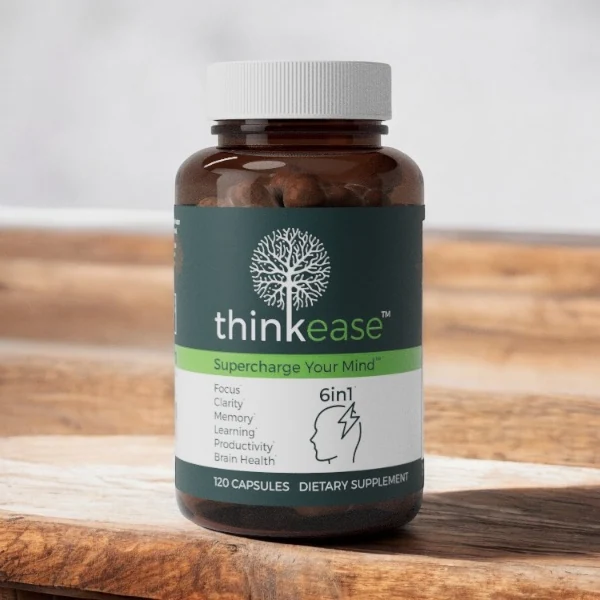
ThinkEase is my preferred alternative for readers who want a broader formula in one product. Its standard four-capsule serving provides 300mg Bacopa Monnieri and 200mg L-Theanine, compared with 250mg and 100mg in NooCube and 150mg and 100mg in Mind Lab Pro’s standard two-capsule serving. Mind Lab Pro also permits four capsules, which changes the quantities and cost per serving. ThinkEase’s additional acetyl L-carnitine, saffron and PQQ are further reasons for this preference, rather than proof of superior clinical results.