Introduction
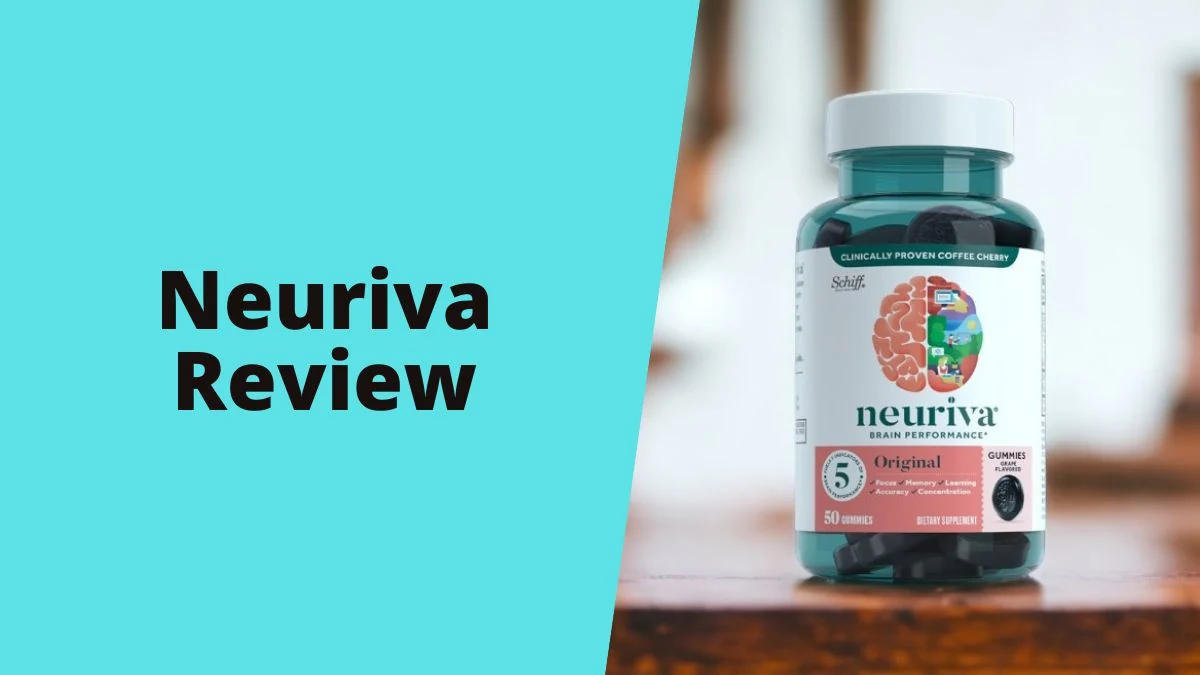
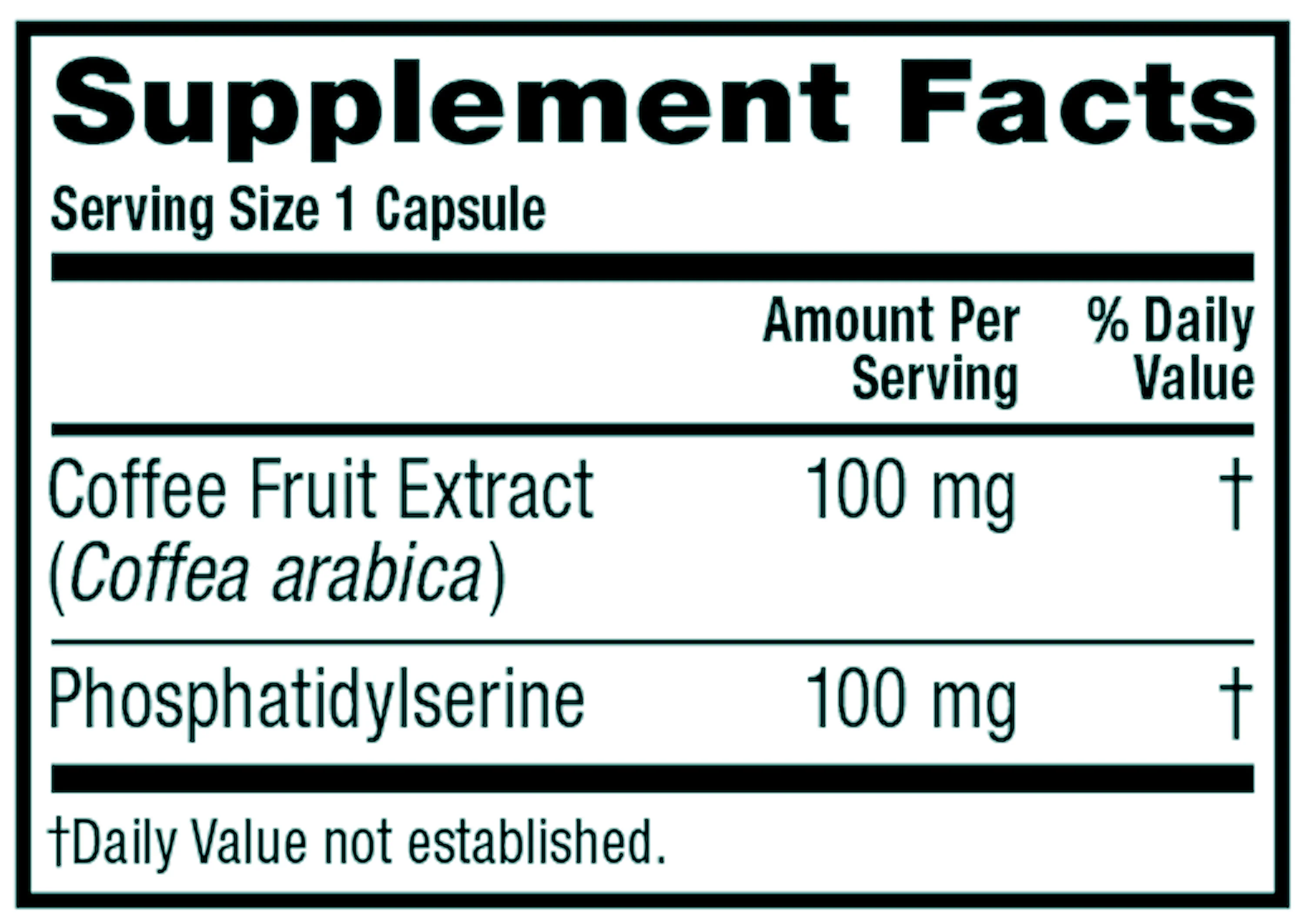
Thank you for reading my article. Here I am reviewing a test that I have done on the Neuriva supplement from Schiff Vitamins. As is standard now, I did the test for 18 months to get a good feel for the product’s effectiveness. Neuriva is a brain and memory supplement from Schiff Vitamins, which is now owned by Reckitt, a large company known for household and pharmaceutical products. Neuriva is advertised as a way to boost cognitive function, but with only two basic ingredients (Coffee Fruit Extract and Phosphatidylserine), my big question is can it really live up to its promises? I will break down the claims and see if these ingredients and their dosages actually support brain health and will cover exactly how I felt when taking it. It's important to note that Neuriva’s marketing, including the use of misleading claims, has been controversial in recent years. This raises concerns for me about its real effectiveness and the lack of transparency in its formulation. In this review, I will point out any potential issues, assess it’s benefits, and provide you with an honest look at both the strengths and weaknesses of the product. I will also explore other brain supplements that might be a better choice for you.
A review of the claims made by Neuriva:
Neuriva, a product of Schiff Vitamins, positions itself as a nootropic supplement, aiming to enhance brain function and memory. However, having done a more critical examination I can allege that the brand's lofty claims may not be as firmly grounded in scientific evidence as consumers might expect.
Focus Enhancement: Neuriva purports to "help you focus in." Whilst focus is crucial for cognitive performance, the specifics of how Neuriva facilitates this remain ambiguous to me, especially given the limited research on its key ingredients, like Coffee Fruit Extract and Phosphatidylserine [1,2].
Distraction Filtering: The claim that it "helps you filter out distractions" suggests a heightened ability to ignore irrelevant stimuli. However, the connection between its ingredients and such specific cognitive processes is not clearly established in neuroscientific literature [3,4].
Reactivity Improvement: Neuriva's assertion of "helping you react with greater speed and precision" is another bold claim. Reaction times are influenced by a myriad of factors, and the direct impact of Neuriva's components on such a specific aspect of cognition is not conclusively supported by existing studies [5].
Memory Recall: The promise to "help you record and recall stored information" implies a significant boost in memory functions. While memory enhancement is a common goal of nootropics, the efficacy of Neuriva in this regard lacks robust, peer-reviewed evidence [6].
Retention of New Information: Similarly, the ability to "help you retain new information" is a claim that requires more rigorous scientific validation, especially considering the complexities of how our brain encodes and retains new data [7].
Sustained Concentration: Lastly, the assertion that it "helps you keep concentrating on tasks for longer" touches on the issue of sustained attention. However, the specific effect of Neuriva's ingredients on prolonged focus is not comprehensively demonstrated in clinical research [8].
While these claims are appealing, my view is that their scientific backing appears to be less concrete. Neuriva's claims, centred around improving cognitive functions, are based primarily on it’s two active ingredients: Coffee Fruit Extract (100mg) and Phosphatidylserine (100mg). A scientific assessment of these claims requires me to explore some of the existing academic research on these ingredients:
"Helps you focus in":
Coffee Fruit Extract: Some studies suggest that compounds in coffee fruit may have neuroprotective effects and could potentially enhance brain-derived neurotrophic factor (BDNF) levels, which are important for brain health. However, the specific impact on focus, particularly at the 100mg dosage, is not clearly established in the literature [9[.
Phosphatidylserine: This compound is known to play a key role in cell membrane integrity and might aid in cognitive processes. But evidence directly linking phosphatidylserine to improved focus is limited, especially at a 100mg dose [10].
"Helps you filter out distractions":
The scientific backing for this claim, particularly in the context of the ingredients and dosages used in Neuriva, is not robust in my opinion. Current research does not provide strong support for the idea that either Coffee Fruit Extract or Phosphatidylserine at these doses significantly improves the ability to filter distractions [11].
"Helps you react with greater speed and precision":
While certain nootropics are known to enhance cognitive speed and accuracy, the evidence for Neuriva's ingredients doing so does not seem so strong. The dosage of the ingredients is a critical factor, and the effectiveness of the 100mg dosage in enhancing reaction times is not well-documented [12].
"Helps you record and recall stored information":
Studies on memory recall and cognitive enhancers do not provide conclusive evidence that Neuriva's ingredients at the specified dosages significantly enhance this aspect of cognition [13].
"Helps you retain new information":
Retention of new information is a complex process, and while certain supplements have shown potential, the specific effects of Neuriva's formulation at the given dosages are not strongly supported by current research [14].
"Helps you keep concentrating on tasks for longer":
Sustained attention is influenced by various factors, including overall brain health. While the ingredients in Neuriva might contribute to brain health, the direct correlation with prolonged concentration, particularly at these dosages, lacks substantial scientific backing [15].
I find that a really critical issue with Neuriva is it’s proprietary blend of ingredients. Whilst this is quite a common approach with supplements, the problem is that it makes it challenging to assess the true efficacy of each component. Countless research studies have shown that the dosage level of each ingredient is crucial in determining the product’s effectiveness, and the dosages used in Neuriva may not align with those studied in scientific research. For me, this is a key discrepancy which could raise questions about the validity of Neuriva’s claims.
My findings on existing legal issues Neuriva has encountered:
It's important to be aware that Neuriva has faced legal challenges due to misleading marketing claims about it’s cognitive enhancement benefits. In 2021, a class-action lawsuit was filed against its parent company, Reckitt (formerly Reckitt Benckiser), alleging that Neuriva's advertising exaggerated the product’s ability to improve brain performance without sufficient scientific evidence to support those claims.
The claims made by Neuriva were problematic because they lacked sufficient scientific backing. Whilst Neuriva’s primary ingredients, Coffee Fruit Extract and Phosphatidylserine, have some evidence suggesting potential cognitive benefits, the studies supporting these effects were either limited in scope, involved small sample sizes, or were conducted on specific populations, such as elderly individuals or those with cognitive impairments. The product was being marketed to a general population of healthy adults without strong, large-scale clinical trials to prove that the claimed cognitive enhancements were consistently achievable for everyone. The legal settlement required Reckitt Benckiser to modify its marketing language to be less definitive and make the claims appear more conditional. However, even after the adjustments, the claims may still be misleading. While the updated language might avoid absolute promises, it can still imply that the product provides noticeable cognitive improvements for all users, which is not conclusively supported by research. By softening the claims rather than removing them entirely, the product may continue to give consumers the impression that it will deliver consistent, scientifically validated results, which remains a contentious point.
As a result of the lawsuit, Reckitt Benckiser agreed to a settlement, which included changes to its marketing practices and compensation for affected consumers.
So did Neuriva work for me?
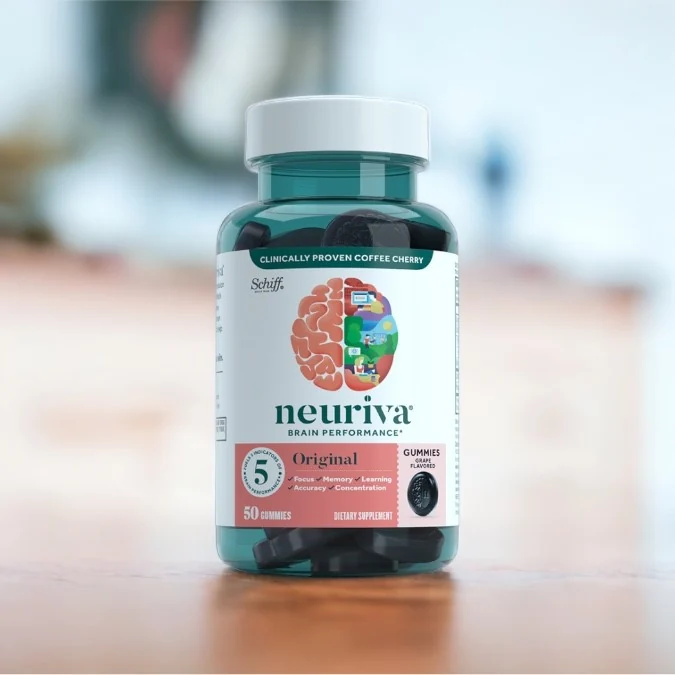
It seems to be standard practice to test a supplement for about 12 to 18 months, so that’s what I did and took Neuriva for about a year and a half. In short, my real-world experience differed noticeably from it’s ambitious marketing claims!
Focus Enhancement:
Neuriva claims to improve focus, but my testing revealed only modest improvements. While the Coffee Fruit Extract is suggested to support brain health, it didn’t result in any significant or sustained improvements in attention for me. The moments of sharper focus were brief, and overall, the effect was not as impactful as seen with other supplements [16].
Filtering Out Distractions:
The supplement also promises to help filter out distractions, but this was not my experience. In settings with high levels of external stimuli, I did not notice any meaningful improvement in my ability to ignore distractions. Phosphatidylserine, despite its cognitive support potential, did not seem to enhance clarity or ability to stay mentally focused in demanding environments [17].
Cognitive Speed and Precision:
Another claim of Neuriva is enhanced reaction time and cognitive precision. However, throughout the trial, I saw no significant changes in the speed or accuracy of our mental processing. The improvements, if any, were marginal and didn’t surpass my usual performance levels without the supplement [18].
Memory Recall:
One of the most sought-after benefits of nootropics is memory improvement, and Neuriva heavily markets this aspect. My experience, however, showed only minor instances where recollection felt slightly more fluid, but this was inconsistent and not significantly better than my typical memory function without the product [19].
Information Retention:
Learning and retaining new information is another area where Neuriva claims to shine. However, I struggled to detect any noticeable improvement in my ability to absorb and retain new material. This under-performance was a letdown, especially considering the claims of cognitive enhancement associated with the product [20].
Sustained Concentration:
Maintaining focus over longer periods is vital for cognitive performance, and Neuriva’s ability to support this was similarly underwhelming. While there were some instances of prolonged concentration, these moments weren’t significantly better than my regular focus capabilities. The lack of consistency highlighted the gap between Neuriva's advertised benefits and it’s actual effects in practice [21].
After 18 months of testing, I found Neuriva's impact to be underwhelming. The results fell well short of the brand's promises, particularly in comparison to other leading nootropic supplements. While Neuriva may offer some cognitive support, the overall experience I had was poor, and it’s effectiveness was way off compared to what it had promised me.
Neuriva’s benefits:
Promotes Overall Brain Health: Ingredients like Phosphatidylserine are known to support brain cell health and functionality.
Neuriva’s disadvantages:
Limited Ingredient Profile: With only two active ingredients, Neuriva doesn't provide comprehensive support compared with other supplements with a broader range of nootropics.
Mild Effects: I found the cognitive benefits to be subtler than expected, especially when compared to other nootropics.
Lack of Immediate Results: Neuriva may require prolonged use before any noticeable benefits are experienced.
Cost: Compared to other supplements, Neuriva might be considered pricey for the benefits it offers.
Insufficient Evidence for Claims Made: Some of the specific cognitive enhancement claims made by Neuriva are not robustly backed by scientific evidence.
Ingredients and evidence
Coffee Fruit Extract (100mg), Phosphatidylserine (100mg)
Neuriva's formula as a nootropic supplement hinges on two key ingredients: Coffee Fruit Extract (100mg) and Phosphatidylserine (100mg). The scientific evidence surrounding these compounds provides insight into their potential cognitive benefits, although it's essential to contrast this with the specific formulation and dosages used in Neuriva.
Coffee Fruit Extract (100mg):
Neuroprotection and BDNF: Coffee Fruit Extract is noted for its potential to increase levels of brain-derived neurotrophic factor (BDNF), crucial for brain health. A study by Reyes-Izquierdo et al. (2013) observed significant increases in BDNF levels among participants consuming a coffee fruit concentrate [22].
Antioxidant Properties: With its antioxidant properties, coffee fruit extract may offer neuroprotective effects, as suggested by Kato et al. (2015) in their study on the neuroprotective effects of chlorogenic acid, a component of coffee fruit [23].
Dosage and Efficacy: However, the dosage is crucial. Neuriva includes 100mg of Coffee Fruit Extract, but the studies often use higher concentrations, making direct comparisons challenging.
Phosphatidylserine (100mg):
Memory and Cognitive Function: Phosphatidylserine has been studied for its role in supporting memory and cognitive function. A study by Parker et al. (2015) highlighted its potential benefits on cognitive performance [24].
Stress Response Modulation: Monteleone et al. (1992) found that phosphatidylserine might blunt stress response, indirectly supporting cognitive function under stress [25].
Dosage Considerations: The standard dosage in studies often ranges from 100mg to 300mg. Neuriva's 100mg dosage is at the lower end of this spectrum, which may affect its efficacy compared to higher dosages used in some studies.
Contrasting with Neuriva’s Formula:
Cumulative Effects: While both ingredients have shown potential in isolation, Neuriva's formula combines them, and the synergistic or cumulative effects of this combination have not been extensively studied.
Dosage Discrepancies: There is a discrepancy between the dosages used in clinical studies and those in Neuriva. For instance, studies on Coffee Fruit Extract often use varied concentrations, making it difficult to directly relate these findings to Neuriva's specific 100mg dosage.
Side effects and other concerns
Mild Cognitive Effects: Despite claims of enhancing focus, memory, and cognitive agility, the effects were notably mild. This could be due to the dosages of the active ingredients, which might not align with the optimal amounts identified in various studies [26].
Slow Onset of Benefits: I would also suggest I experienced a delayed onset of any noticeable cognitive benefits, raising questions about the immediate efficacy of the supplement [27].
Inconsistent Results: After I found very little benefit, I asked 5 other colleagues to be part of the test and try Neuriva for a long period of time. The experiences also varied among these users, but common to all of them - they also reported minimal changes in cognitive functions, questioning the consistency of the supplement's effectiveness [28].
Neuriva Side Effects: what you may experience:
Coffee Fruit Extract (100mg):
Digestive Upset: Some studies suggest that coffee-related products can cause mild digestive issues in sensitive individuals [29].
Sleep Disturbances: Although less likely due to the moderate dosage, the potential for disrupted sleep patterns exists, especially for those sensitive to coffee derivatives [30].
Phosphatidylserine (100mg):
Gastrointestinal Issues: At higher doses, phosphatidylserine may cause stomach upset, but at 100mg, this risk is likely minimal [31].
Headaches and Insomnia: In rare cases, users might experience headaches or sleep disturbances [32].
Additional Considerations:
Lack of Long-term Studies: Long-term effects and side effects of these ingredients, particularly in combination, are not extensively studied, leaving some uncertainty about their prolonged use [33].
My overall results and recommendation:
Neuriva gave weak results: Neuriva provided only very tiny improvements in focus and memory, falling massively short of the significant cognitive enhancements delivered by more comprehensively formulated nootropic supplements.
I am concerned still by the underlying issues with the brand’s reputation: False advertising claims resulted in an $8m class action settlement against the manufacturer of Neuriva.
The results were very slow to build and did vary in their consistency: My experience with Neuriva showed varied and inconsistent cognitive benefits across different users, lacking the reliability expected in a nootropic, as well as what it did offer taking a long time to have any noticeable effect.
The ingredients are few and it omits many key ingredients: Neuriva's formula misses many clinically studied ingredients found in more comprehensive formulas.
I would recommend considering another product: ThinkEase has a more comprehensive ingredient profile, with individually disclosed amounts. That breadth is the basis for my preference; it does not establish that the effects will be more pronounced for everyone.
My overall verdict
After completing a 1.5 year review of Neuriva, it’s clear to me that while the supplement has some positive attributes on paper, it did not meet my expectations. Neuriva’s formula relies heavily on just two ingredients: Coffee Fruit Extract and Phosphatidylserine. Although these compounds are supported by some scientific studies, their effects during my testing were slight at best. I can report slow and minimal improvements in focus and memory. In tasks that demanded sharper concentration and better recall, the supplement’s benefits were either delayed or barely noticeable. This may be due to the limited range of ingredients, which likely reduces its overall effectiveness compared to more comprehensive nootropics.
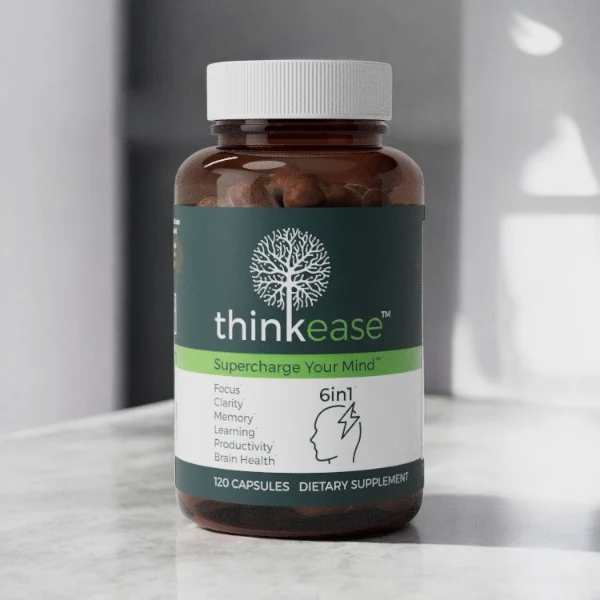
Contrastingly, ThinkEase offers a more comprehensive ingredient list. Its diverse formula includes Bacopa Monnieri, Citicoline, L-Theanine and N-Acetyl L-Tyrosine. Additionally, the inclusion of vitamins B6, folate and B12 contributes to its broad formulation. Both ThinkEase and Neuriva Original provide 100mg of Phosphatidylserine. ThinkEase adds a wider range of ingredients, while Neuriva offers a simpler one-capsule serving. ThinkEase requires four capsules. For anyone looking for a broad combination of individually disclosed ingredients, ThinkEase is my preferred choice. The contrast in these two formulas highlights the importance of a well thought out ingredient profile, while leaving room for different needs and preferences.