Introduction
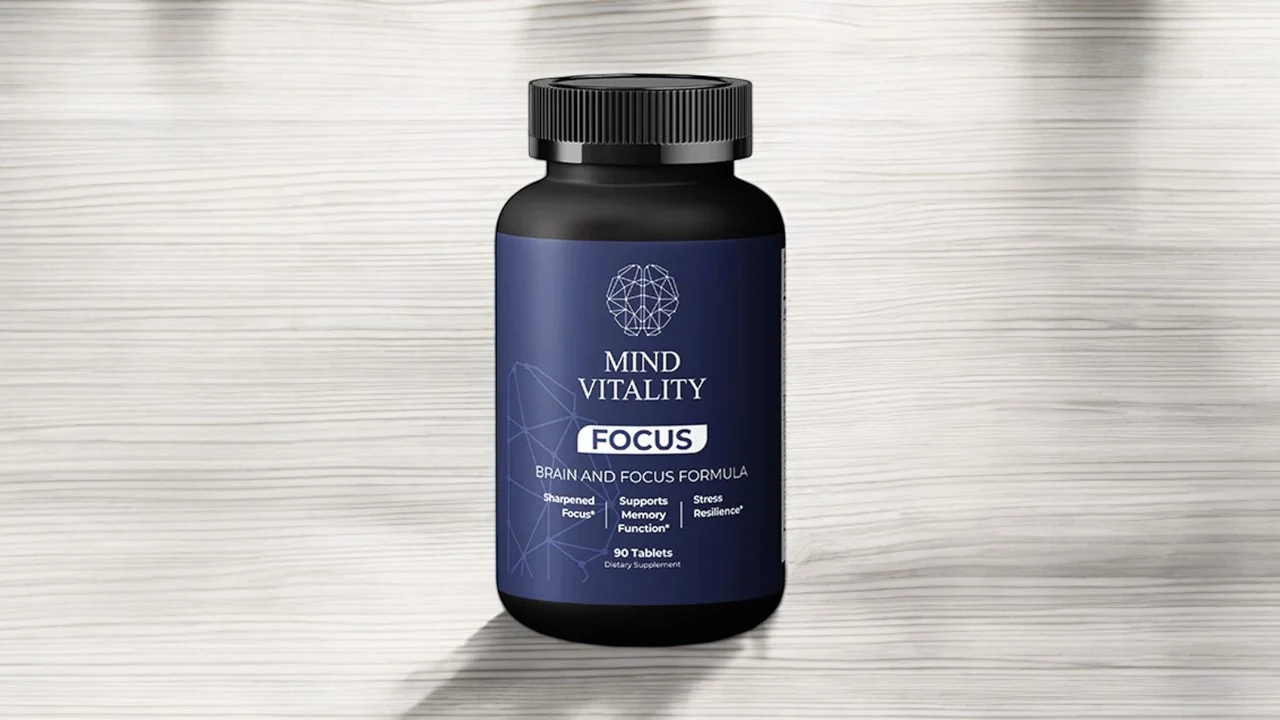
Mind Vitality makes most sense to me as an entry-level nootropic: a practical starting point for someone interested in a broad, ready-made formula. My experience was generally positive, with modest improvements in mental clarity, focus and day-to-day energy. Those changes were useful, even though they were not dramatic. This review looks at what I liked, what the formula contains and where ThinkEase offers a different next step.
Why I like Mind Vitality as an entry-level option
The appeal is the combination. Mind Vitality puts a range of familiar nootropic ingredients into one product, so there is a clear formula to assess instead of a collection of separate supplements to assemble. The list spans mushrooms, botanical extracts, amino-acid-related ingredients and B vitamins. For someone exploring this category, that makes the product easy to understand and compare.
I also appreciate the stated amounts. You can see how much lion’s mane, bacopa, rhodiola and phosphatidylserine the reviewed formula contains. That transparency is useful when deciding whether the blend matches your priorities. My entry-level positioning reflects its place as a starting option, rather than a promise that it is suitable for every beginner or a claim about its current price.
My experience: useful, modest improvements
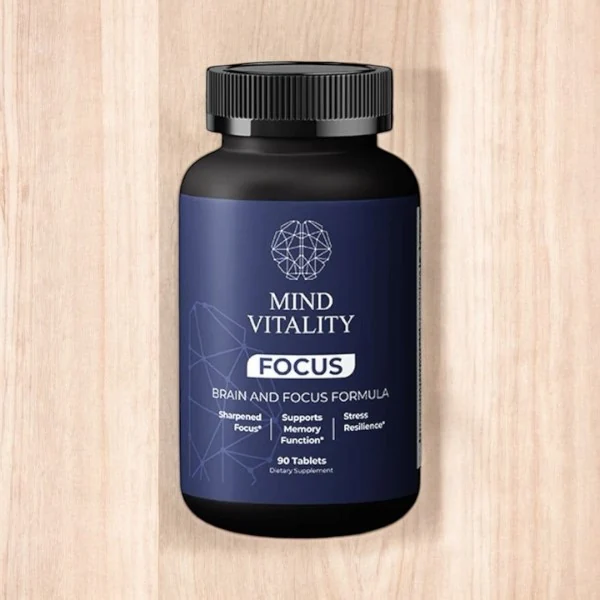
I took Mind Vitality myself and invited ten other participants to try it. I noticed a moderate improvement in mental clarity and some improvement in concentration, particularly during complex tasks. I also felt slightly more capable of managing my workload. These are the most encouraging parts of my experience, and they are why my overall view of the product is positive.
There was a mild lift in energy and a slight reduction in mid-afternoon fatigue. I noticed modest improvements in motivation and in my ability to manage stress, too. The changes were not as sustained or pronounced as I had hoped, but I still found them useful. For an entry-level product, a modest positive experience deserves recognition.
The other participants reported broadly similar impressions, although the strength and consistency of the changes varied. These observations are a personal testing account, not a controlled clinical trial or proof that the formula will produce the same results for other people. My recommendation is based on the experience described here and the ingredient profile.
What is in the reviewed formula?
Mind Vitality contains lion’s mane (500 mg), bacopa monnieri (300 mg), N-acetyl L-tyrosine (250 mg), choline (250 mg), ashwagandha (200 mg), rhodiola extract (200 mg), Korean ginseng (100 mg), phosphatidylserine (100 mg), mucuna extract (75 mg), pine bark extract (75 mg), ginkgo biloba (50 mg), Huperzia serrata (200 mcg), vitamin B1 as thiamine HCl (100 mg), niacin (12.5 mg), vitamin B6 (5 mg), vitamin B9 (100 mcg) and vitamin B12 (5 mcg).
That is a substantial range for an entry-level option. The combination of lion’s mane, bacopa, ashwagandha and rhodiola is a particular point of interest for readers comparing botanical blends. N-acetyl L-tyrosine, choline and phosphatidylserine add further variety. The comparison table above shows the individual amounts alongside ThinkEase, rather than relying on ingredient count alone.
How I assess the ingredient amounts
I would avoid dismissing Mind Vitality simply because one of its amounts is lower than an amount used in a particular study. Extract strength, ingredient form, the population studied and the finished combination all matter. A milligram comparison is a useful starting point, but it does not establish that one finished product works better than another.
The same care applies to larger amounts. A higher B-vitamin figure or a longer ingredient list does not automatically mean a greater benefit. What I like here is that there is enough detail to compare the formula sensibly and decide whether its combination fits the ingredients you are looking for.
Who I would put Mind Vitality on the shortlist for
I would consider Mind Vitality for readers who are exploring nootropics and want a ready-made formula with a broad ingredient list. It is especially worth a look if you are interested in its combination of lion’s mane, bacopa, ashwagandha and rhodiola, and are comfortable judging the product by gradual, modest changes rather than expecting an immediate transformation.
My positive assessment also comes from the practical experience: it was easy to work into a routine, and I noticed benefits worth keeping in perspective. I would approach it as one part of a considered daily routine. It should not be expected to solve procrastination, guarantee productivity or make every demanding day effortless.
Mind Vitality or ThinkEase?
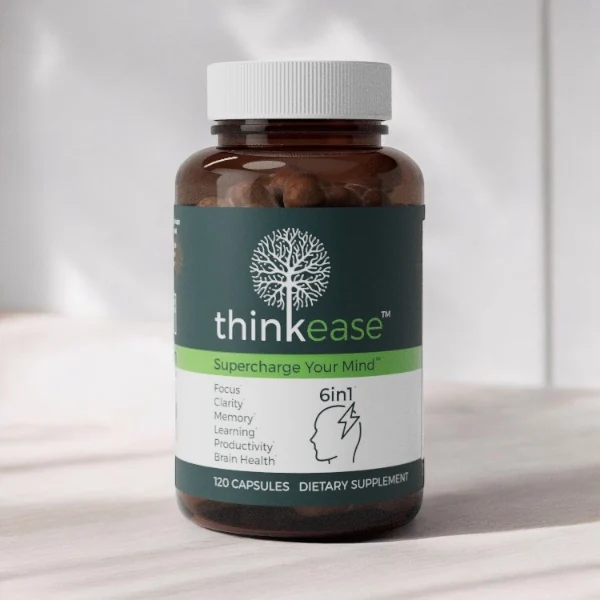
Mind Vitality is my entry-level pick in this comparison. It offers a broad botanical blend and gave me a generally positive experience. Readers who like the reviewed formula have a clear reason to consider it on its own merits, rather than viewing it only as a stepping stone to something else.
ThinkEase becomes the more interesting option if you specifically want citicoline, L-theanine and acetyl L-carnitine in the same formula. Its current serving contains 250 mg, 200 mg and 750 mg respectively. It also provides 275 mg N-acetyl L-tyrosine, compared with 250 mg in Mind Vitality, while both reviewed formulas list 300 mg bacopa. The forms and extract specifications still matter when comparing those figures.
There are differences in both directions. Mind Vitality includes ashwagandha, Korean ginseng, mucuna and ginkgo, which are not listed in the current ThinkEase formula. ThinkEase includes saffron, PQQ, lutein and zeaxanthin. I see ThinkEase as a step up for readers seeking that particular combination, rather than treating Mind Vitality’s different ingredient choices as faults.
Tolerability and practical considerations
Mild gastrointestinal discomfort was reported during the review. That belongs in the assessment alongside the positive findings; an entry-level position does not mean a supplement is free of side effects. I would not attribute those symptoms to a specific ingredient or vitamin without evidence.
Suitability depends on your health and any medicines or other supplements you use. Discuss the complete ingredient list with a pharmacist or clinician when checking for interactions. The NCCIH guidance on using supplements wisely explains why this matters.
My verdict
Mind Vitality deserves a more positive assessment as an entry-level nootropic. I liked its broad formula, its stated ingredient amounts and the ease of fitting it into a routine. My experience included useful improvements in clarity and focus, with a mild lift in energy. Those are credible reasons to put it on a shortlist, provided the modest scale and variability of the results stay clear.
I would choose Mind Vitality as a practical starting option for readers drawn to its ingredient mix. ThinkEase is worth considering when you want the different combination of citicoline, L-theanine, acetyl L-carnitine and its other listed ingredients. Both decisions can follow from the same comparison: start with the formula that fits your priorities, rather than assuming a bigger claim means a better product.