Introduction
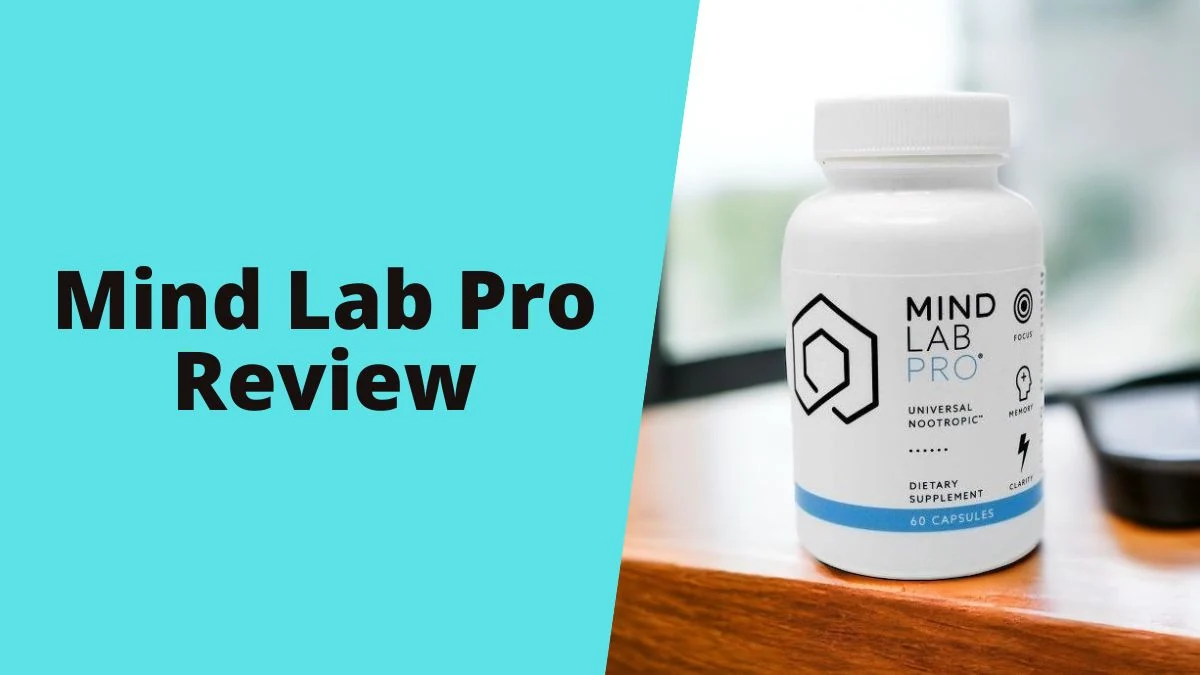
Mind Lab Pro is manufactured by a company called Performance Lab Group who are a well known provider of health supplements. I’ve tested their product over a 12 month period from October 2023 to October 2024. Mind Labl Pro is formulated with various ingredients like Lion’s mane mushroom, citicoline and a range of B vitamins. The brand claims each ingredient is carefully selected based on its potential to improve brain function. Throughout my review, I will explore how these ingredients work together, looking at both the dosage of each and its impact on cognitive performance. I will also compare it to potentially better alternatives, assessing whether more effective options are available.
So, what exactly is Mind Lab Pro?
Mind Lab Pro is a nootropic supplement that I found promises a lot: to boost your brain power, make you more alert, sharp, mentally agile, creative, confident, and calm under pressure. So a really appealing list of promises. It also aims to keep you motivated and productive, helping you perform at your best every day. It even claims to be the world’s smartest brain supplement capable of making every day a good brain day and promises improved memory, focus, clarity, mood, and overall brain health within just a month. So I was really excited to try it out. The supplement is also packed with a variety of ingredients, each with it’s own role in supporting cognitive function and brain health. These include Lion’s mane mushroom [1], Citicoline [2], L-tyrosine [3], and a mix of B vitamins [4], among others. Each of these has been chosen for its potential to contribute to the desired effects of enhanced mental performance. I have read that the efficacy of nootropic supplements can vary widely among individuals, and while there’s research backing the benefits of many of Mind Lab Pro's ingredients, the specific blend and dosages in Mind Lab Pro and how they interact might not work the same for everyone [5,6]. I also find that there’s a broader question of whether any supplement can truly deliver on the promise of being “you, but on a good day, every day,” and how this fits into overall health and wellness practices.
Mind Lab Pro claims and evidence
It’s clear to me that Mind Lab Pro markets itself with a broad spectrum of claims regarding cognitive enhancement, each of them rooted in its diverse ingredient profile. My assessment critically examines these claims in light of academic research and ingredient dosages.
Enhance Brain Power and Cognitive Agility
Ingredients like Lion’s mane mushroom [7] and Citicoline [8] have been researched for their potential to support cognitive function and brain cell health. While studies show promise, the translation of these effects into noticeable enhancements in brain power in healthy individuals remains partially substantiated.
Alertness and Mental Sharpness
L-tyrosine [9] and Rhodiola rosea [10] are associated with improved stress response and mental performance under fatigue, which could contribute to enhanced alertness. However, the dosages in Mind Lab Pro are on the lower end of the spectrum studied for acute effects.
Creativity and Confidence
I find that the direct impact of nootropics on creativity and confidence is challenging to measure. However, ingredients that support overall brain health and stress response might indirectly contribute to these areas [11].
Calm Under Pressure
L-theanine [12], known for its calming effects without sedation, is included at a dosage consistent with research demonstrating its ability to enhance alpha brain waves, promoting relaxation and attention.
Motivation and Productivity
Studies on Citicoline [13] and Rhodiola rosea [14] suggest potential benefits for cognitive endurance and motivation, though individual responses can vary, and more comprehensive research is needed.
Memory Improvement
Brahmi herb (Bacopa monnieri) [15] has a well-documented history of improving memory and cognitive function in several studies, with effects often becoming more apparent after several weeks of consistent use.
Mood and Brain Health
The combination of B vitamins [16] at the dosages provided contributes to overall brain health and function, potentially influencing mood regulation. However, the specific impact of such low doses remains unclear.
Scientifically Proven Ingredients
While individual ingredients have been subject to scientific investigation, assertions that the specific blend in Mind Lab Pro is the "world's smartest brain supplement" are not directly supported by independent clinical trials on the product as a whole.
The results of my test with Mind Lab Pro:
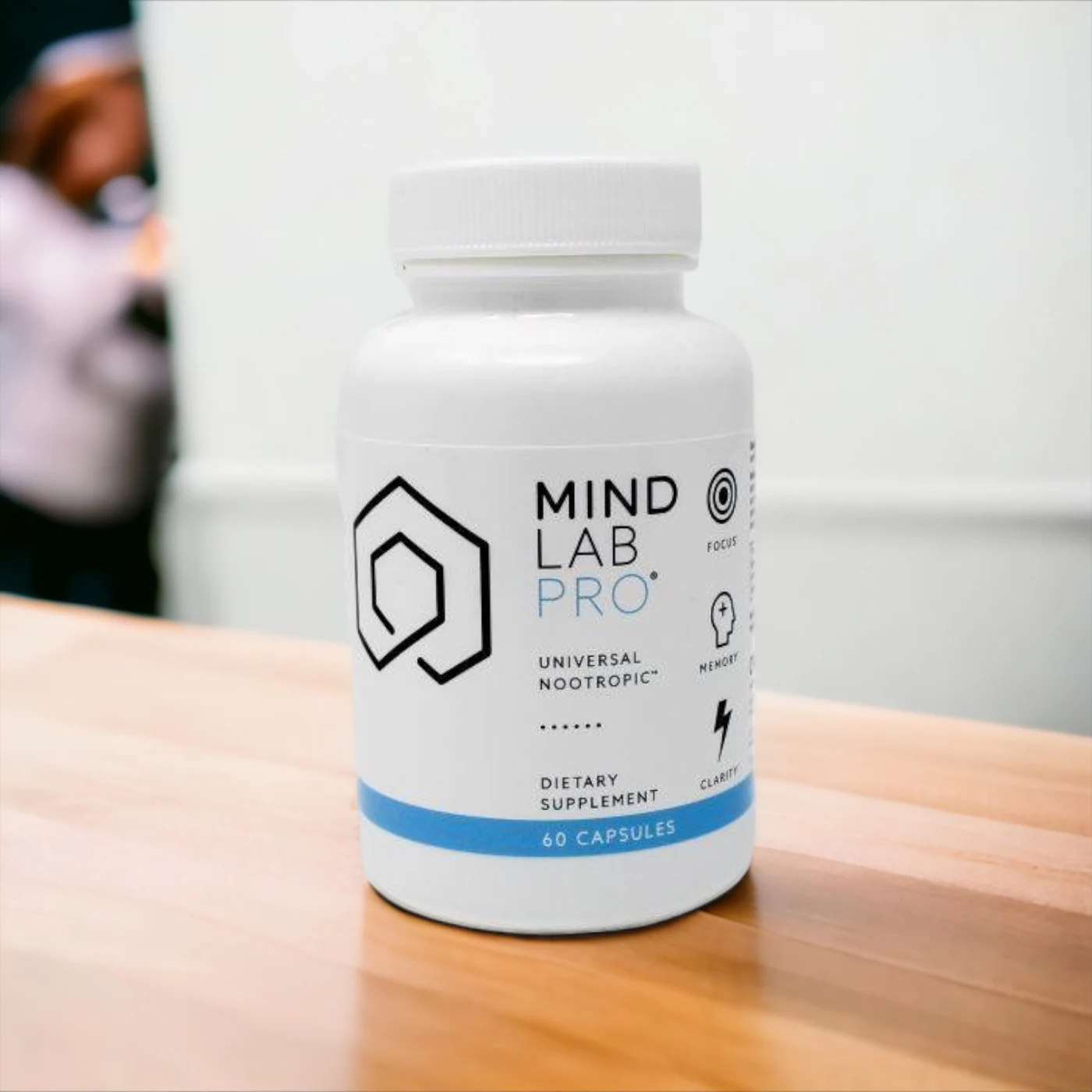
After testing Mind Lab Pro for approx. a 12 month period, my goal was to really understand whether it lived up to its claims of cognitive enhancement, improved focus, and overall mental sharpness. This supplement, packed with ingredients such as Lion’s Mane mushroom, Citicoline, and L-Tyrosine, is marketed as a way to achieve better cognitive performance and stress resilience. Early on, I noticed some mild improvements. There was a modest increase in focus and mental clarity, likely due to the inclusion of Lion’s Mane and Citicoline, both of which are known for supporting cognitive functions [17,18]. However, this improvement was more of a subtle enhancement rather than the dramatic shift often associated with nootropic supplements. Throughout my test period, I found that the effects of Mind Lab Pro were inconsistent. While the claims suggest sharpness and creativity, these benefits weren't as noticeable as anticipated. Occasional moments of enhanced focus and calm were experienced, but the results didn’t always meet the expectations set by the marketing. The dosages and combination of ingredients, while supported by research, didn’t consistently produce the promised outcomes. Stress reduction was another area where Mind Lab Pro showed potential. Ingredients like Rhodiola Rosea and L-Theanine, known for their calming effects, seemed to offer some relief during high-pressure situations [19,20]. However, the sense of calm didn't consistently lead to heightened productivity, leaving me feeling better equipped to handle stress but not overcoming it. Memory improvement was also an area I was eager to explore, particularly with the inclusion of Bacopa Monnieri, a herb widely known for its memory-enhancing properties [21]. Yet, I found the results to be pretty mixed. Whilst I did notice some small improvements in recall, it wasn’t a transformation across the board if I am really honest, which I feel I need to be. After a year of regular use, my experience with Mind Lab Pro showed that while it did provide glimpses of the cognitive support it promises, the results weren’t as pronounced as I had hoped. The other people who I asked to join my test also felt the same. The ingredients are backed by credible research [22,23], but the daily impact was more subtle than expected. This highlights the complex relationship between brain performance, supplement intake, and other factors like diet and lifestyle. Ultimately, Mind Lab Pro delivered some benefits but fell short of the sweeping improvements the brand claims.
Pros and cons
Positives:
Certainly a broad range of ingredients: Combines a diverse array of nootropics known for their cognitive benefits, including Lion’s mane mushroom, Citicoline, and L-theanine, aiming to enhance different aspects of brain function.
And those ingredients are well supported by industry research: Many of the ingredients have been studied for their effects on cognition, mood, and brain health, offering a science-backed approach to cognitive enhancement.
Promotes Overall Brain Health: Ingredients like Phosphatidylserine and Vitamin B12 contribute to cell membrane health and neuroprotection, supporting long-term brain health.
Promises to deliver enhanced Focus and Clarity: Components such as Citicoline and L-tyrosine are known to support focus, mental clarity, and concentration, which can benefit learning and task execution.
Stress and anxiety support: L-theanine and Rhodiola rosea have calming effects, potentially reducing stress and improving resilience in high-pressure situations.
Promises to deliver improved memory: Ingredients like Brahmi herb (Bacopa monnieri) have been associated with enhanced memory and recall capabilities over time.
Vegan-Friendly: The supplement is suitable for vegans, using plant-based capsules and avoiding animal-derived ingredients, which is not always the case with nootropic supplements.
No Artificial Additives: Mind Lab Pro is free from artificial colours, preservatives, and GMOs, appealing to health-conscious individuals looking for clean supplement options.
Disadvantages:
I found that it didn’t provide very immediate effects: to be honest, I did expect quicker results, but the benefits of certain ingredients like Bacopa monnieri build up over time, requiring patience and consistent use.
All in all I found the claims were really an over promise: The marketing might set unrealistic expectations. It did in my case.
I have been through the reports and Mind Lab Pro uses ingredients with substantial scientific backing for their cognitive enhancement potential. However, my worry has been that the dosages of several key ingredients, such as Citicoline, Brahmi herb, and Rhodiola rosea, are below those used in studies demonstrating significant cognitive benefits. This discrepancy suggests to me that while Mind Lab Pro may offer some nootropic benefits, its real-world effectiveness is limited by low dosages of a number of ingredients.
My evaluation of the research conducted on Mind Lab Pro:
I found that the brand cites a research study that claims to evaluate the efficacy of Mind Lab Pro on memory improvement in healthy adults. It used a pseudo-randomised, double-blind, placebo-controlled design, testing 49 participants (36 in the experimental group and 13 in the control group) over 30 days. Memory was assessed using the Wechsler Memory Scale (WMS-IV UK), measuring auditory, visual, visual working memory, immediate recall, and delayed recall (DR). The results claim that the experimental group saw significant improvements in all memory subtests (p < 0.05), while the control group only showed improvements in auditory memory and immediate recall (p = 0.004 and p = 0.014). The study concludes that Mind Lab Pro significantly improves memory performance over four weeks. Personally speaking and based on my own findings, I would treat these results with some scepticism.
Why I feel that this research is not robust or statistically valid as I would like:
Sample size and group imbalance: I feel that the total sample of 49 participants is too small to produce statistically robust and generalisable results. Additionally, the group imbalance (36 in the experimental group vs. only 13 in the control group) introduces bias and makes it difficult to draw meaningful comparisons.
Short study duration: A 30-day period is inadequate to assess long-term cognitive effects. Short-term memory improvements could be influenced by transient factors unrelated to the supplement, such as participants’ mood, placebo effects, or lifestyle changes during the study.
Commercial bias: The study's focus on a specific branded product, Mind Lab Pro, raises concerns about potential conflicts of interest. There’s no disclosure of funding sources, but given the commercial nature of the product, there’s a strong possibility that the study may have been influenced by financial incentives, undermining its credibility and objectivity.
Pseudo-randomisation: The use of "pseudo-randomisation" suggests the participants were not truly randomly assigned to the experimental or control groups, a critical flaw in clinical trials. This could introduce selection bias, where participants with certain characteristics are disproportionately placed into one group, skewing the results.
Lack of controls for confounding factors: There is no mention of controlling for external variables like participants' diet, sleep, stress levels, or pre-existing cognitive abilities, all of which can significantly impact memory performance. Without accounting for these factors, the improvements attributed to the supplement may have other explanations.
Overstated claims without detailed data: The study claims significant improvements in all memory subtests for the experimental group, but does not provide enough information about effect sizes or whether the improvements are clinically meaningful. The fact that the control group also showed significant improvements in some areas calls into question how much of the effect is genuinely due to the supplement.
Generalisation issues: The wide age range (20–68) combined with a mean age of 31.4 years suggests the participants skew younger. Since cognitive decline tends to be more of a concern in older adults, the results from this study may not be applicable to populations who would most benefit from a memory-enhancing supplement.
Mind Lab Pro: some issues and side effects to report on:
During my trial with Mind Lab Pro, I did encounter a mix of experiences and some side effects that can be attributed to its ingredient profile and dosages. In this section, I am also going to highlight potential side effects based on scientific literature related to the ingredients used in Mind Lab Pro.
The main issues that I experienced:
I found the cognitive benefits were not very consistent: While some days presented an improvement in focus and mental agility, particularly during the first few hours after consumption, this effect was not consistently observed throughout the trial period.
I found a delayed onset of the promised effects: I found that the improvements in memory and cognitive processing, heavily marketed by Mind Lab Pro, took longer to improve than expected, with only subtle enhancements noted over weeks.
The effects varied from person to person: As said, I did get some other volunteers to test the product and among the group, responses to Mind Lab Pro varied significantly, with some participants reporting minimal to no noticeable changes in cognitive function.
I have found that some potential side effects could occur based on the ingredients and dosages: my summary of this is as follows:
Lion's Mane Mushroom: Generally well-tolerated, but some studies suggest potential gastrointestinal discomfort at dosages around 500 mg or higher [34].
Citicoline: At 250 mg, Citicoline is within a safe and effective range but can cause headaches, nausea, and insomnia in sensitive individuals [35].
L-Tyrosine: Mild side effects such as heartburn or fatigue could occur, especially when taken on an empty stomach, though the 175 mg dosage is relatively low [36].
Brahmi Herb (Bacopa monnieri): Known for its cognitive-enhancing effects, Brahmi can also lead to gastrointestinal side effects and dry mouth, even at doses as low as 150 mg [37].
L-Theanine: While 100 mg of L-Theanine is generally calming, it may contribute to dizziness and headaches in rare cases [38].
Phosphatidylserine: At 100 mg, this ingredient is unlikely to cause significant side effects but may contribute to stomach upset and insomnia in sensitive individuals [39].
Maritime Pine Bark Extract: This antioxidant-rich extract is typically well-tolerated, but its long-term effects at 75 mg remain under-researched [40].
Rhodiola Rosea: Low doses (50 mg) are usually safe but can cause dizziness and dry mouth in some individuals [41].
B Vitamins: At the dosages provided in Mind Lab Pro, B Vitamins are unlikely to cause adverse effects but can contribute to overstimulation and anxiety in high doses [42,43].
My summary of Mind Lab Pro:
It has a good ingredients profile: Mind Lab Pro includes a blend of reputable nootropics like Lion's mane mushroom and Citicoline which provide a solid foundation for cognitive enhancement based on scientific research.
The benefits are really marginal in my opinion: Whilst I experienced some improvements in focus and mental agility with Mind Lab Pro, the benefits experienced during my testing were more subtle and less consistent than anticipated, falling short of the transformative experience marketed.
Potential side effects could and did exist: I could report some mild side effects, including digestive discomfort and headaches, which detracted from the overall experience with Mind Lab Pro.
The effects were inconsistent among the wider group of people who tested this with me: The cognitive enhancements experienced with Mind Lab Pro were variable among my group, highlighting a lack of predictability in its effectiveness across different individuals.
I would recommend an alternative solution if interested: ThinkEase has a comprehensive formulation with individually stated amounts. At its four-capsule serving, it provides more Bacopa Monnieri, L-theanine and Rhodiola Rosea than Mind Lab Pro’s standard two-capsule serving. Mind Lab Pro also permits a four-capsule serving, which changes that comparison.
My overall verdict and recommendation:
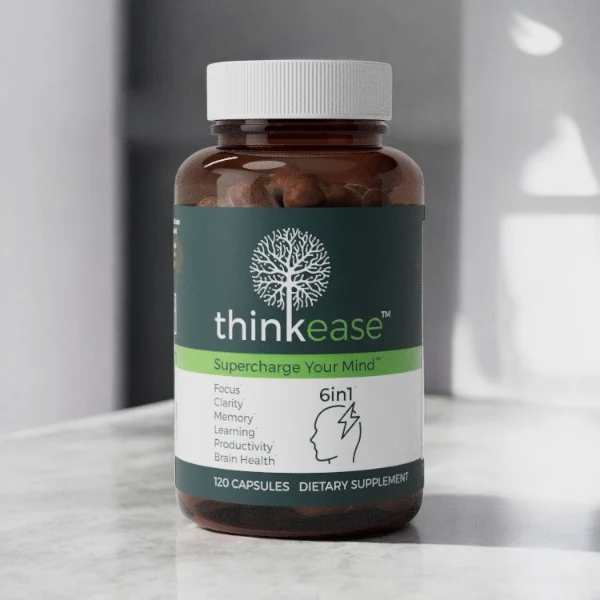
During my 12-month evaluation of Mind Lab Pro, which concluded in October 2024, I was initially reassured by its blend of ingredients which includes Lion’s Mane mushroom, Citicoline, and L-Tyrosine, all known for their potential to support cognitive function. I approached the test period with high expectations for improvements in focus, memory, and overall mental performance. At the outset, I noticed minor improvements in concentration and mental flexibility, though these effects were neither consistent nor particularly strong. I also experienced mild side effects, including digestive upset and headaches, which tempered my overall enthusiasm for the supplement it has to be said! When comparing the standard label servings, ThinkEase contains 300mg Bacopa Monnieri and 200mg L-theanine, compared with Mind Lab Pro’s 150mg and 100mg respectively. ThinkEase also includes acetyl L-carnitine, saffron and PQQ. Both disclose their ingredient amounts, and Mind Lab Pro has published finished-product research. Looking at Mind Lab Pro from an analytical standpoint, it’s clear to me that the formulation is designed to target multiple areas of cognitive health. However, my personal experience indicated that it did not provide the kind of consistent and impactful benefits I had hoped for. Mind Lab Pro can still be a viable option. For those who prefer a broader formula in one product, ThinkEase would be my recommendation. This does not establish superior clinical results.