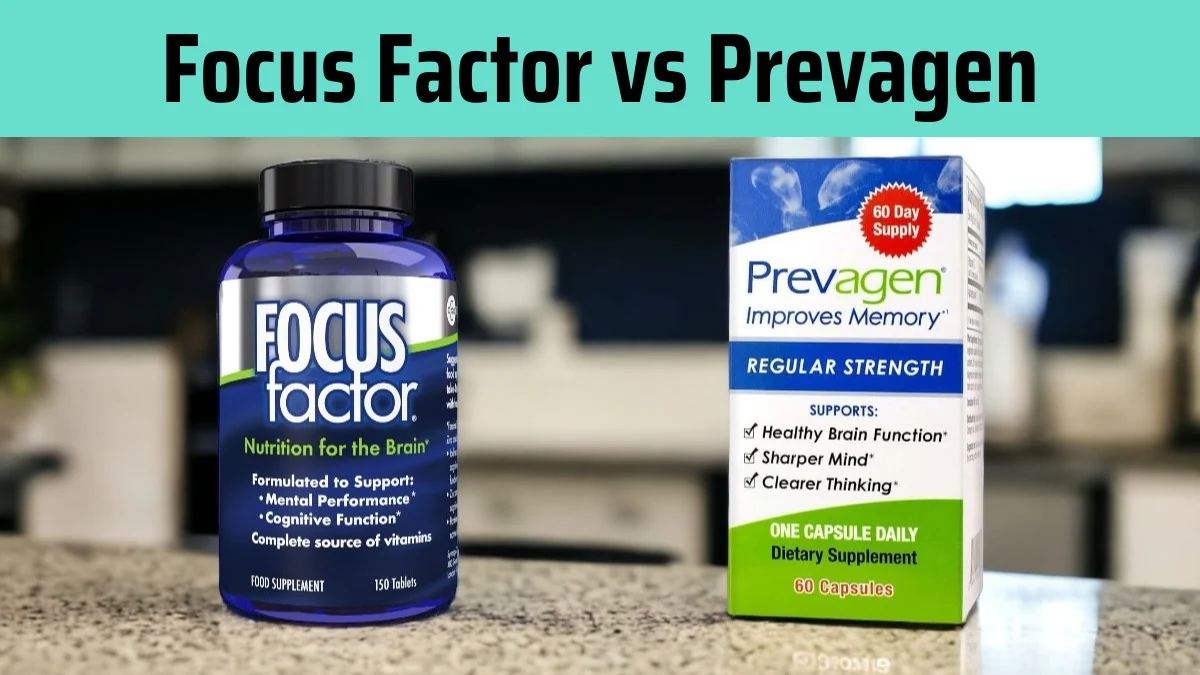
Introduction: a test to help you choose the right brain supplement:
I’ve tested Focus Factor head to head with Prevagen over the past 18 months (2023 to October 2024) and looked closely at their impact on cognitive performance. This was done as part of a group of testers with me as ‘chief tester’. This is a sustained usage test, so I’m sure you will be excited to read about my findings. These products are often compared given their similar claims, although they do approach things quite differently.
Focus Factor:
This product contains a wide range of ingredients which include several key vitamins and minerals such as Vitamin A, Vitamin D, Vitamin C, and the B-vitamin complex. It also provides essential trace elements like Zinc, Copper, and Magnesium. Further setting it apart is the addition of well-regarded herbal extracts, including Ginkgo Biloba and Grape Seed, combined with amino acids like L-Tyrosine and L-Glutamine. Nootropic ingredients, including Dimethylaminoethanol Bitartrate (DMAE) and L-Alpha Glycerophosphorylcholine (Alpha GPC), are also present which gives it quite a complex nutritional profile.
Prevagen:
Prevagen is a more focused formula. Apart from Vitamin D, it’s defining feature is the inclusion of Apoaequorin. This is a protein which is sourced from jellyfish and is believed to aid in calcium regulation in the brain. My research has shown that this protein has been investigated for it’s potential effects on items like memory, specifically improvements in short term memory.
What are Nootropics and why are they needed?
The research that I have done in this field certainly concluded that the need for nootropics arises from the increasingly demanding environments we find ourselves in. I have seen that many studies show that constant distractions and rapid information exchange often leave us mentally exhausted [1]. I personally feel that balancing work, family, health, and personal growth can feel like juggling too many balls, with the ever-present fear of dropping one. Consequently, I have found things like mental sharpness, focus, and adaptability become essential assets in daily life. Furthermore, as life expectancy increases, so does our desire to maintain cognitive health throughout our lifespans, ensuring not just longevity but also a high quality of life [2]. My research into this area have shown that nootropics, therefore, are sought not just by those wanting an immediate boost but also by those aiming for long-term brain health [3].
I found out that the term ‘nootropic’ was coined by Dr. Corneliu Giurgea in 1972, and amalgamates the Greek words 'nous' (mind) and 'trepein' (to turn or bend), symbolizing their ability to 'bend the mind' [4]. Nootropics encompass a diverse array of compounds, from natural herbs and vitamins, as seen in products like Focus Factor, to synthesized substances. My research shows that these agents, when consumed, aim to enhance cognitive functions such as memory, attention, creativity, and even mood [5].
I’m sure that you will agree with me when I suggest that today's world presents a unique concoction of cognitive challenges. Unrelenting streams of information, multitasking demands, and incessant technological stimuli have collectively burgeoned the stress on our cognitive apparatus [6]. Add to this mix the natural cognitive decline due to ageing, and there emerges a pressing need to bolster the brain's resilience [7]. I have found from this study that nootropics like Focus Factor, which encompasses an array of vitamins, amino acids, and herbal extracts, and Prevagen, with its unique ingredient Apoaequorin, cater to this demand by offering potential neural support and enhancement [8]. At least that is what they ‘claim’ to do!
Comparing Focus Factor and Prevagen
Focus Factor
Claims and ingredients
I have found that Focus Factor, over the years, has certainly emerged as a prominent nootropic contender in the cognitive enhancement sphere. It feels like it brands itself as a comprehensive supplement for brain health by integrating an array of vitamins, minerals, and herbal ingredients designed to synergistically augment cognitive faculties [9].
2-The ingredients in Focus Factor and how they work:
Formula described in the supplied review, which differs from the current US Original label: Vitamin A (1083.32mcg), Vitamin D (2.5mcg), Vitamin E (20.16mg), Vitamin C (250 mg), Thiamin (Vitamin B1) (3mg), Riboflavin (Vitamin B2) (1.7mg), Niacin (Vitamin B3) (25mg), Vitamin B6 (7mg), Folic acid (Vitamin B9) (400mcg), Vitamin B12(20mcg), Biotin (Vitamin B7) (300mcg), Pantothenic acid (Vitamin B5) (12mg), Calcium (200mg), Iron (5mg), Magnesium (100mg), Zinc (10mg), Copper(400mcg), Manganese (2mg), Selenium (50mcg), Chromium (100mcg), Molybdenum (10mcg), Iodine (22.5mcg), Ginkgo Biloba, Grape Seed, Korean Ginseng, Bilberry, L-Tyrosine (as N-Acetyl L-Tyrosine), Dimethylaminoethanol Bitartrate (DMAE), L-Choline (as Bitartrate), L-Glutamine, Inositol, L-Alpha Glycerophosphorylcholine (Alpha GPC), Algae Oil Powder, Boron (as Di Sodium Tetraborate). The individual amounts of these proprietary-blend ingredients are not disclosed on the assessed Focus Factor Original label.
The unique fusion of ingredients in Focus Factor aims to address multiple facets of cognitive function. Vitamins like Vitamin A, C, D, and the B-complex promote overall neural health and neurotransmitter synthesis [10]. Minerals such as zinc, magnesium, and selenium serve pivotal roles in neuron signalling and protection [11].
I’ve also found that herbs like Ginkgo Biloba and Korean Ginseng have historical backgrounds in traditional medicine for enhancing memory and concentration [12]. Recent scientific explorations that I have found out about have reinforced their efficacy. For instance, Ginkgo Biloba is suggested to increase blood flow to the brain, potentially improving cognitive speed and attention [13]. Amino acids, including L-Tyrosine and L-Glutamine, further cater to neurotransmitter synthesis and neuronal health [14].
3-The pros and cons of Focus Factor:
Pros:
For me the ingredients are supported by scientific literature which means that it’s composition is supported by some evidence.
It has the potential to give a cognitive boost: I find that it is at least designed to enhance mental faculties, particularly memory.
There is also some dietary flexibility in taking the product: This is because it accommodates both vegetarian preferences and gluten-free requirements.
Cons:
I cannot be sure on the dosage levels: I feel that many ingredients will not be present in their optimal quantities.
I find that there is always the chance of digestive concerns: There's a chance of experiencing gastrointestinal disturbances.
The results were subtle in my test and quite variable too
I find there is quite limited research out there on Focus Factor: There's a limited breadth of clinical research confirming its overall efficacy.
Prevagen:
1-The ingredients in Prevagen and how they claim to work.
In essence, Prevagen has a unique use of Apoaequorin (10mg) and combined with Vitamin D (50mcg). I found that Prevagen's formula significantly differentiates itself in the nootropic market, primarily due to its utilization of Apoaequorin. I have seen that Apoaequorin, originally derived from a species of jellyfish, is believed to support cognitive function and assist in maintaining healthy brain cells [15]. This protein, when introduced to calcium, emits a blue-green light, leading scientists to investigate its potential implications in calcium regulation within brain cells [16]. I have seen that Prevagen also incorporates Vitamin D, an essential vitamin that plays a pivotal role in several bodily functions. The brain has numerous Vitamin D receptors, and a deficiency can potentially contribute to cognitive decline [17]. Thus, the combination of Vitamin D and Apoaequorin suggests that Prevagen targets both neuron health and general cognitive support.
2-Here I will confirm what Apoaequorin actually is:
My study into Apoaequorin has shown that it is indeed a fascinating protein, originally discovered in a particular species of jellyfish known as Aequorea victoria. This jellyfish, primarily found in the Pacific Northwest, emits a mesmerizing blue-green luminescence, which is caused by the reaction between Apoaequorin and calcium ions [18]. I decided to look into the science a bit more as I was really intrigued. I found that when Apoaequorin binds to calcium, it undergoes a molecular transformation which results in the emission of this characteristic blue-green light. This light emission is a process referred to as bioluminescence [19]. Given its ability to detect calcium, researchers became intrigued by the potential applications of Apoaequorin, especially in understanding cellular calcium dynamics, which play a critical role in numerous cellular processes in organisms, including humans.
So reading further into this, I found that In the context of human health, Apoaequorin has garnered attention for its potential benefits in supporting cognitive function. The premise here is the idea that calcium dysregulation in the brain is associated with aging and age-related cognitive decline. As a result, Apoaequorin, with its calcium-binding properties, is theorized to help in maintaining optimal calcium levels in brain cells [20]. I have seen that Apoaequorin has made its way into dietary supplements, most notably Prevagen, which is marketed to support memory and overall cognitive function. However, while the potential of Apoaequorin is promising, I certainly felt that for me it's essential to approach its benefits with a discerning eye, as the breadth of clinical research on its effectiveness in humans remains in the early stages [21].
3-The pros and cons of Prevagen:
Pros:
I can certainly say has a very distinct ingredient: Apoaequorin is a unique addition not commonly found in other nootropics, suggesting specialized brain cell support.
I can say it has the benefit of Vitamin D's neuroprotection: My study has shown that it’s inclusion can combat potential cognitive decline due to vitamin D deficiency [22].
I feel that there could be a benefit in having quite a simplified formula: For me, a concise list of ingredients ensures targeted action and reduces potential ingredient interactions.
Cons:
Again, I found that there is limited research in existence: Whilst I found it intriguing, the scientific consensus on Apoaequorin's efficacy in humans remains limited [23].
My view would be it’s simplicity could also be it’s downfall: A limited ingredient list might not cater to the broad spectrum of cognitive needs addressed by other comprehensive supplements.
Testing experience
Focus Factor
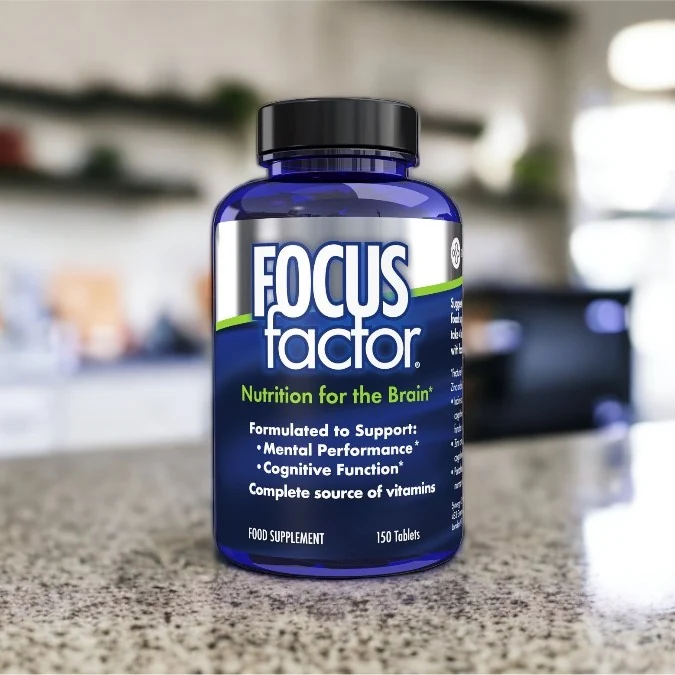
In my effort to assess the effects of Focus Factor on cognitive function, I conducted a thorough evaluation, extending over 18 months up to October 2024. My goal was to determine whether this supplement truly offers measurable improvements in mental clarity and memory. I took the product myself plus with a team of 10 other participants. I collected all the observations at certain time intervals and can report the following. After a few days of consistent use, I can report that subtle improvements in focus and mental sharpness were being observed. I would suggest that ingredients such as Ginkgo Biloba, which has been studied for its role in promoting cerebral blood flow, likely contributed to these effects [24]. Similarly, the blend of B vitamins, particularly B6, B12, and Folic Acid, plays a role in supporting neurotransmitter function and nerve cell communication, making them valuable contributors to brain health [25]. One ingredient, Alpha GPC, although present in relatively low amounts, has been researched for its potential impact on cognitive processing speed and memory retention [26]. However, I am able to conclude that the improvements my test observed were moderate and somewhat short-lived, particularly when compared to other supplements that have also been tested by the team and myself. I will also try and recommend alternatives worth considering. If I compare a product like ThinkEase to Focus Factor, its individually disclosed formula offers a noticeably different approach. It includes L-theanine (200mg), N-Acetyl L-Tyrosine (275mg), and Bacopa Monnieri (300mg). These amounts can be assessed against the relevant research, rather than inferred from a blend total. While Focus Factor’s broad range of vitamins and minerals contributes to general health, I would certainly question whether the dosages of certain ingredients are sufficient for more pronounced cognitive effects. I have been conducting tests of supplements for a while now and my general conclusion is that I find that ingredients beneficial for overall well-being may not always translate into significant mental enhancement in the amounts provided. So in conclusion, I can report that, yes, after 18 months of use, Focus Factor did deliver some cognitive benefits, likely due to its varied formulation. However, I can conclude that it didn’t match the precision and consistency of results seen with other nootropics that are more specifically engineered for mental performance.
Prevagen
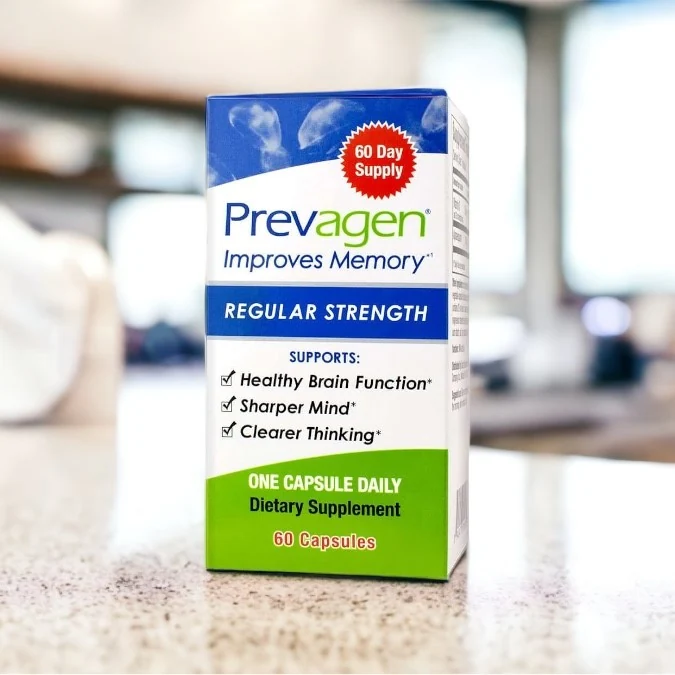
A key goal here was to understand whether it truly supports cognitive function as advertised. This supplement’s appeal lies in its distinct ingredient, Apoaequorin, which piqued our curiosity enough to explore its effects firsthand. The experience I found personally and with the team of testers was extremely subtle with Prevagen, to the point really where any effect was so subtle, it was really hard to detect. Over time, I did find that there seemed to be a slight improvement in cognitive clarity, though it wasn’t prominent. Vitamin D, known for supporting neurological functions and overall brain health [29], could have contributed to this, that is my working hypothesis. The primary ingredient, Apoaequorin, a calcium-binding protein sourced from jellyfish [30], is suggested to influence memory by regulating intracellular calcium levels, which are critical for proper neuron function [31]. Again, a formula such as ThinkEase offers a different approach. It includes Bacopa Monnieri, Citicoline and L-theanine, as part of a broader selection of individually disclosed ingredients. In contrast, Prevagen’s main focus is Apoaequorin. This is a difference in formulation, rather than proof of stronger effects. I began to think that the relatively modest results from Prevagen may stem from its simpler formulation. While Apoaequorin is emphasized, the lack of a broader range of supportive ingredients could explain its comparatively limited impact. In contrast, nootropic formulations that combine multiple active ingredients tend to take a broader approach to cognitive enhancement. My summary is that while Prevagen offered a slight boost to cognitive performance, it was not as pronounced or lasting as the effects observed from other supplements in the nootropic category. Prevagen’s gentle influence on mental function was less than I had hoped for.
My perspective on brand reputation and legal considerations:
I would just like to include a point to say when selecting a nootropic, the reputation and legal standing of the brand play pivotal roles in making an informed choice. Here I will look more closely at Focus Factor and Prevagen's brand reputations:
1-My research on Focus Factor's market standing and legal history:
Focus Factor, with its comprehensive ingredient list, has positioned itself as a multi-faceted cognitive supplement. However, like I have seen with many brands in the supplement industry, it has not been devoid of scrutiny. I have found that there have been instances where the brand faced challenges regarding the veracity of its marketing claims [34]. These revolved around the emphasis on the scientific backing of its formula and its advertised cognitive benefits. While some of these challenges have been addressed, I would suggest that potential users should remain astute and cross-reference product claims with independent scientific findings. Nevertheless, Focus Factor continues to maintain a sizeable market share.
2-Prevagen's brand reputation and litigations:
As I have mentioned throughout this article, Prevagen's unique selling proposition, Apoaequorin, has generated both intrigue and scepticism. I found out that the brand found itself in the limelight when concerns arose about its memory-enhancement claims [35]. These led to legal actions, primarily focusing on the assertion that the ingredient, Apoaequorin, was clinically proven to assist in memory improvement [36].
Side-by-side comparison
1-Efficacy and clinical backing:
I could see that Focus Factor has a more extensive ingredient list, with ingredients like Ginkgo Biloba and L-Tyrosine known to support cognitive functions [37]. It’s approach is to provide a spectrum of nutrients, targeting various cognitive aspects. I have found that, scientifically, some ingredients have substantial research behind them; however, the synergy of such an extensive blend remains less documented and the individual blend amounts are undisclosed.
I know that Prevagen, on the other hand, uniquely offers Apoaequorin, a protein initially derived from certain jellyfish. The research I have done on this topic concluded that while there have been claims about its memory-enhancing properties, robust independent clinical studies are somewhat limited [38].
2-Side effects and safety:
I feel that Focus Factor, given its broad spectrum of ingredients, may pose a risk of interactions, especially for individuals already on medication [39]. I would suggest that common side effects could include digestive discomfort, especially if taken without food.
Prevagen's primary ingredient, Apoaequorin, has been touted as safe, but there have been instances of headaches, dizziness, or heart palpitations in some users [40].
I always suggest that with any supplement, it is recommend consulting a healthcare professional before usage, especially for those with pre-existing conditions or on other medications. Both supplements also recommend this is done.
3-Cost and value for money:
Financially speaking, I found that Focus Factor offers a multitude of ingredients in one package, which might seem cost-effective for those seeking a broad approach. The price per serving is generally less than Prevagen.
However, I found that Prevagen, with its specialized formulation, comes at a higher cost per serving. Its value proposition lies in its unique offering of Apoaequorin, which is absent in most nootropics [41].
On value for money, my decision between the two boils down to individual preference: a comprehensive approach with Focus Factor or a specialized one with Prevagen.
4-Testimonials and real life feedback:
My study into this area really showed me that consumer choices are influenced by clinical trials, scientific research and firsthand user experiences. I always find that reviews, testimonials, and feedback provide useful insights into the efficacy, safety, and overall satisfaction with products. Here I will look at the real-life feedback on Focus Factor and Prevagen from the team of testers I worked with, and, of course, myself.
The reviews of Focus Factor:
When looking at this product, the feedback I get for Focus Factor often revolves around effects on focus. I can report quite frequently feelings of heightened alertness and improved memory [42]. I can also report a clear appreciation of the "all-in-one" nature of the supplement, negating the need to buy multiple products. However, I can also report some clear situations of initial digestive discomfort, which subsided when taken with meals. While many testimonials lean positive, many of the participants in my test didn't observe any significant cognitive improvements, underscoring the variability of individual responses [43].
The reviews of Prevagen:
I can report that the product was lauded for it’s role in enhancing memory, especially among more senior users that tested it [44]. My view is that the clear and targeted formulation appeals to those looking for specific cognitive support without additional ingredients. Nevertheless, I can also report that a lot of testimonials, myself included, claimed that they experienced minimal benefits, whilst I can report that a smaller subset claimed transient side effects like headache [45]. As with any supplement, the reviews highlight the spectrum of individual experiences, suggesting that efficacy can be influenced by personal health nuances.
When looking into testimonials and reviews, I found that both Focus Factor and Prevagen have their loyal customer base, but they also both have a large number of reviews citing negative feedback or very limited results.
Summing up: the overall results:
I feel that Focus Factor does a few things well, but overall it’s a basic offering: I feel that it has a limited range and level of benefits, often not meeting broad cognitive needs. I also cannot assess the individual ingredient amounts from the blend total alone.
My view is that Prevagen lacks scientific evidence and results were disappointing: In my testing, I, like most users, reported no discernible cognitive improvement after consistent usage. I find that Prevagen's ingredient profile is very limited and lacks many clinically studied cognitive enhancing ingredients. Instead, it relies on Apoaequorin, an ingredient lacking in robust scientific evidence for its effectiveness as a cognitive enhancer.
My preferred alternative is ThinkEase, for its broad formula and individually disclosed ingredient amounts. It includes 300mg Bacopa Monnieri, 250mg Citicoline and 200mg L-theanine per four-capsule serving.
My overall verdict on things:
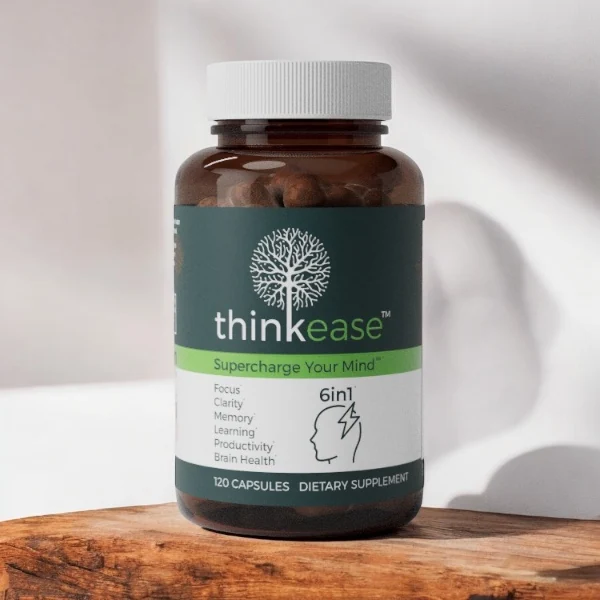
After I conducted an 18 month evaluation of Focus Factor, Prevagen and considering their formulations, my observations conclude that there are distinct differences in their effects. I found that both Focus Factor and Prevagen, while formulated with unique ingredients, show real limitations when it comes to delivering cognitive improvements on a consistent basis [46,47]. Focus Factor does have a long list of ingredients, but as I have already mentioned, I am worried about how many of them are present in amounts that will really have an effect. My view is that it focuses on a narrow band of cognitive support without hitting the optimal dosages seen in other nootropics. As I have mentioned, Prevagen focuses it’s formulation around Apoaequorin which I believe may provide some support for brain function. However, my concern is that this approach may overlook the broader range of potential advantages that a more diverse set of ingredients could offer [48]. When I compare their formulations to ThinkEase, the broader selection of individually disclosed ingredients stands out. ThinkEase includes Bacopa Monnieri (300mg), Citicoline (250mg), L-theanine (200mg) and N-Acetyl L-Tyrosine (275mg), among others. For those in pursuit of a broad brain supplement with clear ingredient amounts, ThinkEase is my top recommendation. This preference is based on its formula, rather than a new head-to-head test.