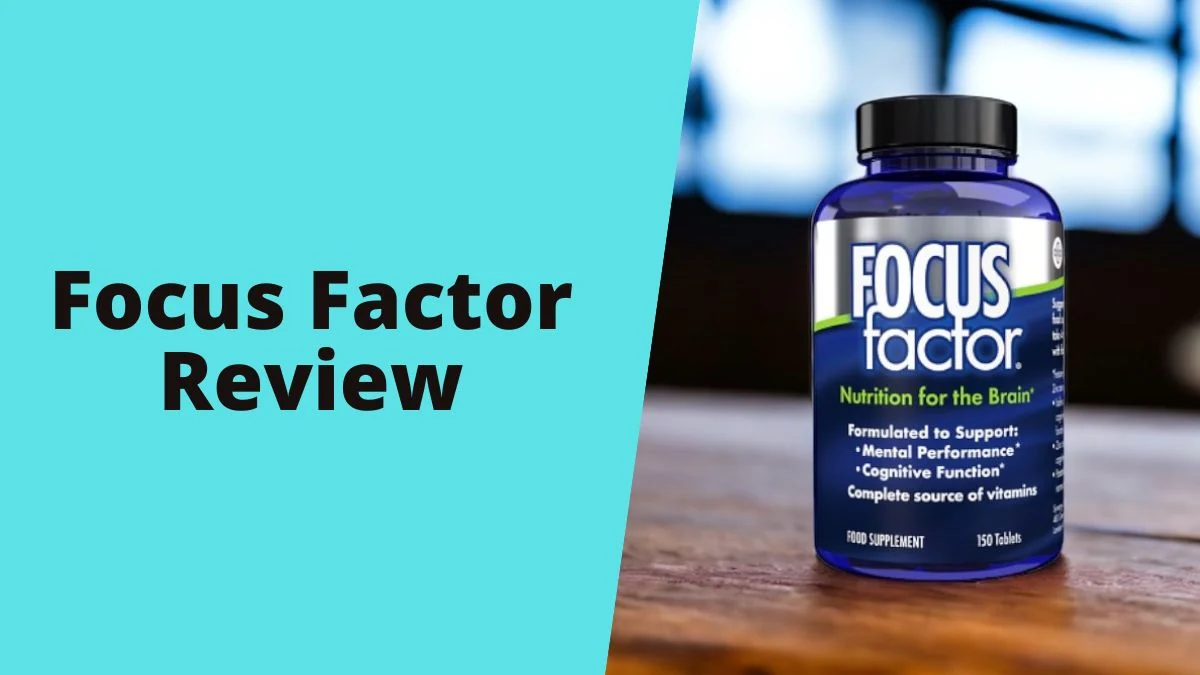
Welcome to my review of Focus Factor which I have been using for 12 months. It’s a supplement made by Synergy CHC Corp who specialise in supplements for skincare products actually. It has been designed to support brain function and help your memory, and it combines various vitamin, minerals and herbal extracts. In this review, I’ve tested the product directly and will break down the evidence behind it’s claims and look in detail at each ingredient and the dosages. Focus Factor contains a number of ingredients that have been associated with cognitive benefits. I can say now that Focus Factor is not the most effective brain supplement available, so I will also tell you what I feel are alternatives worth considering.
More information on what Focus Factor actually is:
Focus Factor is a dietary supplement that has been chemically formulated to enhance cognitive functions and overall support the health of the brain. The company has marketed it as a nootropic. Focus Factor contains a variety of vitamins, minerals, amino acids and herbal extracts. These are all designed to nourish the brain. There are key ingredients in the product like Vitamins A, C, D and E, and also a spectrum of Vitamin B. It also contains a range of minerals like calcium, magnesium and zinc, plus some herbal items like Ginkgo Biloba, Grape Seed extract and Korean Ginseng. These have all been traditionally associated with providing some cognitive benefits.
What Is Focus Factor?
Focus Factor is a dietary supplement formulated to enhance cognitive function and support overall brain health. Marketed as a nootropic, it combines a variety of vitamins, minerals, amino acids, and herbal extracts intended to nourish the brain. Key ingredients include vitamins A, C, D, E, and a spectrum of B vitamins, along with minerals like calcium, magnesium, and zinc. The product also features herbal components such as Ginkgo Biloba, Grape Seed extract, and Korean Ginseng, which are traditionally associated with cognitive benefits. In addition to supporting mental performance, Focus Factor claims to serve as a replacement for a standard multivitamin, providing essential nutrients that may be lacking in the average diet. The inclusion of compounds like L-Tyrosine, DMAE, and Alpha GPC suggests a focus on neurotransmitter support and neural health.
Examining The Nootropic Claims Made By Focus Factor:
Focus Factor is marketed as a nootropic supplement that promises to enhance cognitive function and mental performance [1]. The brand claims to achieve this by incorporating a selection of key "neuronutrients" that are said to nourish the brain [1]. Additionally, my examination of it suggests that it’s formula is so comprehensive that it could also potentially replace your current multivitamin [1]. However, when I took a much closer look at these claims, I did become sceptical. First, I will address the claim they are making of containing "neuro-nutrients." While Focus Factor does include a range of vitamins, minerals, and herbal extracts, the term "neuro-nutrients" is not a scientifically recognized category. Essentially, I believe that many of the ingredients found in this supplement are indeed associated with brain health, but their effectiveness and specific role in enhancing cognitive function can vary pretty widely.
I have noted that Focus Factor asserts that it is “formulated to support mental performance and cognitive function”. I find that this is actually a pretty common marketing claim in this area and a lot of nootropic supplements say this. However, my belief is that the actual evidence supporting these claims is often very thin and limited, and therefore inconclusive [2]. My knowledge is that certain minerals such as B Vitamins and antioxidants are actually essential for overall brain health, if they are present in a supplement like this then there is still no guarantee of a significant impact on cognitive function [2]. Their effectiveness also depends on the user’s specific nutritional needs.
On top, I find that the suggestion that Focus Factor can replace a standard multivitamin is highly questionable,. Whilst it does contain a pretty broad range of vitamins and minerals, my worry is that the dosages may not be enough to meet the daily nutritional requirements for everyone [1]. As many other studies have shown, dosage level is key. Multivitamins are often made to provide a well balanced blend of essential nutrients tailored to the needs of a diverse human population.
Next, I will carefully analyse the ingredients and dosages in Focus Factor to determine whether they align with the brand's claims and whether there is any scientific support for it’s purported benefits. I will also explore potential concerns and questions regarding the product's effectiveness and perceived safety.
Claim 1: Focus Factor contains key neuro-nutrients chosen specifically for their ability to help feed and nourish your brain, and to support mental performance. Whilst it does contain a variety of ingredients that are associated with brain health, my concern is that the term “neuro-nutrients” is not a scientifically recognised term or category. Therefore, I am going to have to make an evaluation on each component, like so:
Vitamins and Minerals: Focus Factor states that it contains vitamins and minerals essential for brain function [3]. For example, I know that Vitamin B6 and B12 play roles in neurotransmitter synthesis, while Vitamin E acts as an antioxidant. However, my concern is that the dosages provided may not be sufficient to yield noticeable cognitive improvements [3].
Herbal Extracts: My own research has informed me that Ginkgo Biloba, Korean Ginseng, and Bilberry extracts are known for their potential cognitive benefits [4-6]. However, my concern is that the effectiveness of these extracts depends very much on the dosage levels, and the proprietary blend does not disclose the individual dosages [4].
Amino Acids and Compounds: I will report that ingredients like L-Tyrosine, DMAE, and L-Glutamine play roles in neurotransmitter production [7,8]. However, again I am concerned that the doses in Focus Factor may not reach the levels necessary for significant cognitive enhancement[6,7].
Claim 2: Focus Factor contains such a wide range of vitamins and minerals - it could take the place of your current multivitamin! This is a pretty wild claims and while the product does provide a range of vitamins and minerals, there are several reasons why it may not replace a standard multi vitamin. As follows:
Firstly, dosage variability: My own research has informed me that multivitamins are formulated to meet recommended daily allowances (RDAs) for essential nutrients [9]. I am concerned that Focus Factor's dosages, while diverse, might not align with these RDAs for everyone, potentially leaving nutritional gaps [3].
Secondly, individual nutritional needs vary: A big concern of mine is that the nutritional needs vary among individuals. These are dependent on factors like age, gender, and dietary habits [9]. My view is that a one-size-fits-all approach may not adequately address these unique requirements.
My conclusion here is that Focus Factor does include ingredients associated with brain health and provides essential vitamins and minerals, but it’s effectiveness in improving cognitive function depends on individual factors and dosages. My concern is the use of proprietary blends makes it tough going for me to determine the exact amounts of active ingredients, raising questions about consistency and potential underdosing. While it may offer some benefits, I am sceptical that it may not fully replace a well-balanced multivitamin for everyone's nutritional needs.
So does Focus Factor actually work? Read on to find out from my 1 year of use:
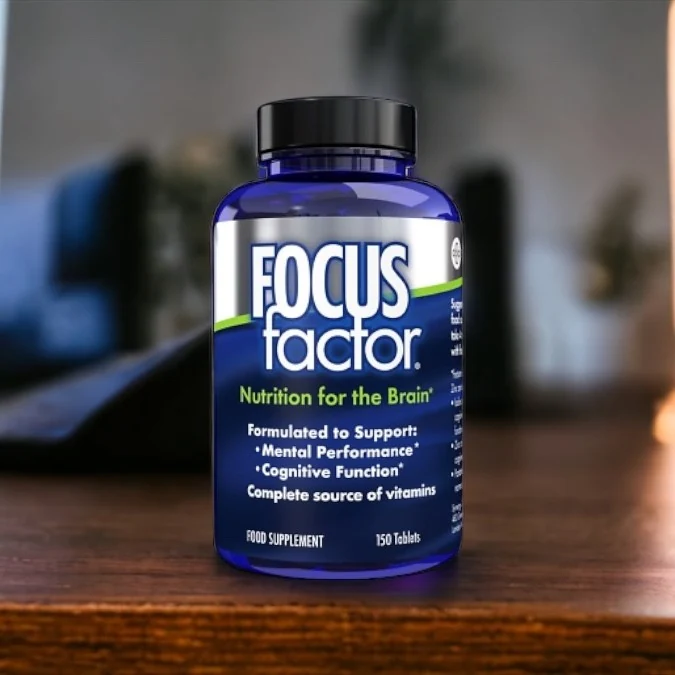
I used Focus Factor consistently for a year and as I’ve already eluded to in this review, my results were less pronounced than I had expected. The supplement claims to nourish the brain and support mental performance through its blend of neuro nutrients. My view is that ingredients like Ginkgo Biloba and Korean Ginseng are recognised for their potential cognitive benefits, but the overall effect on my mental clarity and focus was pretty modest to be fair.
I can report that Focus Factor is also advertised as a possible replacement for a standard multivitamin but I found that it did not fully meet my nutritional requirements. Despite containing a range of vitamins and minerals, my view is that the dosages may not be sufficient for everyone. I felt the need to continue using a comprehensive multivitamin to address any nutritional gaps.
My one year experience with Focus Factor left me somewhat disappointed. The supplement may offer some brain health benefits, but it did not fully deliver on its promises for me during this period.
My more in-depth analysis:
It is fair to say that I have found other supplements better than Focus Factor in the past. Despite the brand's promising claims, my real-world experience fell short of the expectations set by the product’s marketing. Here I will take the claims one by one and provide you with my views.
Claim 1: Focus Factor contains key neuro nutrients chosen specifically for their ability to help feed and nourish your brain and support mental performance.
My findings: I had high hopes for Focus Factor's "neuro nutrients," anticipating a noticeable boost in mental performance. However, the results for me were not as impressive as I had anticipated. Whilst my studies have shown, some ingredients like Ginkgo Biloba and Korean Ginseng are well-regarded for their potential cognitive benefits[10,11], the overall impact foe me was subtle to modest at best. I did not experience the sharp focus or mental clarity that I had expected to.
Claim 2: In addition, its full spectrum of vitamins and minerals is so complete it could take the place of your current multivitamin!
My findings: As I’ve said already this is a really bold and audacious claim by Focus Factor. I was very intrigued by the notion that Focus Factor could replace a standard multivitamin. However, it's important to note that while it does provide a range of vitamins and minerals, my view is that the dosages and coverage may not be adequate for everyone[12,13]. I found that it did not entirely meet my nutritional needs, and I still felt the need for a comprehensive multivitamin to address potential gaps in our diet.
Overall, my experience with Focus Factor left me with mixed feelings. While it did contain some promising ingredients, the muted effects on cognitive function and the inability to fully replace a multivitamin that I had experienced from my one year usage period, were somewhat disappointing. For me, Focus Factor may offer some benefits for brain health, but it did not live up to the promises made by the brand.
Pros and cons
Benefits
There was the potential of some decent cognitive benefits: Some of the herbal extracts, such as Ginkgo Biloba and Korean Ginseng, are associated with cognitive enhancement and may offer mild improvements in mental performance [14,15].
It does not contain caffeine: Focus Factor does not contain caffeine or stimulants, making it suitable for those sensitive to such substances.
There was also the potential for some antioxidant benefits: Certain ingredients, such as Grape Seed extract, offer antioxidant properties that may protect brain cells from oxidative stress [16].
Disadvantages:
I found the effects to be subtle at best compared with my expectation: I can report that the cognitive benefits of Focus Factor are subtle and not as pronounced as expected [17].
I found the marketing claims to be highly questionable: The brand's marketing claims, such as replacing a multivitamin, do not align with the reality of its dosages and coverage [18,19].
Other consumers found the same as me: Some of my friends also tested the product and most of these people experienced only modest cognitive improvements.
The scientific evidence feels limited to me : While individual ingredients may have some scientific support, I did not find that the overall effectiveness of the Focus Factor's ingredient profile is not well-documented in scientific studies [21].
For me there are some key nutritional gaps: Despite the diverse ingredient profile, I did not feel that Focus Factor could fully meet the daily nutritional needs of human users, necessitating additional supplementation with a multivitamin [22,23].
My potential concerns with Focus Factor’s ingredients profile:
My main problem is that it's missing key nootropic ingredients known for boosting brain function. Instead, my view is that it's filled with basic vitamins and minerals that are somewhat helpful for overall health but might not do much for your brain. So, if you're looking for a supplement to supercharge your brainpower, it might not be the best choice. Let's dive in and explore these issues further and I will advise what my research has shown on the ingredients:
Ginkgo Biloba:
Clinical studies often use Ginkgo Biloba at dosages ranging from 120 mg to 240 mg per day [24].
Ginkgo Biloba is not listed on the current US Focus Factor Original label. The supplied review’s 3000mg figure should not be applied to that formula.
Korean Ginseng (Panax Ginseng):
Research suggests effective doses of Korean Ginseng may range from 200 mg to 400 mg per day [25].
Korean Ginseng is not listed on the current US Focus Factor Original label. The supplied review’s 750mg figure should not be applied to that formula.
Bilberry:
Bilberry dosages in studies may vary, but the individual amount in Focus Factor Original’s proprietary blend is not disclosed.
L-Tyrosine and DMAE:
Clinical studies often use L-Tyrosine at dosages of 100 mg to 300 mg per day, while DMAE dosages vary from 100 mg to 600 mg [27].
Focus Factor Original does not disclose the individual amounts of L-Tyrosine and DMAE in its proprietary blend.
L-Alpha Glycerophosphorylcholine (Alpha GPC):
Studies typically use Alpha GPC at dosages ranging from 300 mg to 1200 mg per day [29].
Alpha GPC is not listed on the current US Focus Factor Original label. The supplied review’s 20mg figure should not be applied to that formula.
Algae Oil Powder (DHA):
While there is no specific recommended dosage for DHA in cognitive support, typical omega-3 supplement dosages provide around 200-1000 mg of DHA [31].
Focus Factor Original does not disclose the individual DHA amount, preventing a direct comparison with standard omega-3 supplements.
Multi-Vitamins and Minerals:
For the vitamins and minerals in Focus Factor, dosages are generally in line with recommended daily allowances (RDAs) for overall health. However, it's important to note that these dosages may not necessarily contribute to enhanced cognitive function at these levels.
Missing Major Nootropic Ingredients:
Focus Factor's formulation lacks several major nootropic ingredients that are commonly found in reputable cognitive supplements. My view is that the ingredients to assess include the following; Bacopa Monnieri and Phosphatidylserine are already present in Focus Factor Original, with their individual amounts undisclosed:
Bacopa Monnieri: Bacopa has demonstrated cognitive-enhancing properties, particularly in memory and learning. Effective dosages typically range from 300 mg to 450 mg per day [32].
Lion's Mane Mushroom (Hericium erinaceus): Lion's Mane is known for its potential to support nerve growth and cognitive function. Effective dosages range from 500 mg to 1000 mg or more [33].
Rhodiola Rosea: Rhodiola is often used for its adaptogenic properties and mood enhancement. Effective dosages typically range from 200 mg to 600 mg per day [34].
Phosphatidylserine: This compound is vital for brain cell membrane integrity and cognitive function. Effective dosages usually start at 100 mg and can go up to 400 mg per day [35].
Acetyl-L-Carnitine: Acetyl-L-Carnitine is known for its potential to support brain energy metabolism and cognitive function. Effective dosages range from 500 mg to 2000 mg per day [36].
My view on Focus Factor's emphasis on Multi-Vitamins:
While Focus Factor contains a comprehensive range of vitamins and minerals, my view is that it seems to emphasize these multi-vitamins at the expense of including a broader spectrum of effective nootropic ingredients. My studies have shown that while Multi-vitamins are essential for overall health, when a product marketed as a nootropic supplement is primarily composed of these, I would be concerned that it may not deliver the cognitive benefits that many users seek.
Their focus on multi-vitamins could potentially lead to consumers perceiving the product as more comprehensive than it is for cognitive support. My studies have shown that In an ideal nootropic supplement, a balance of well-researched nootropic ingredients should take precedence to provide tangible cognitive benefits.
My summary on Focus Factor’s ingredients:
I would conclude that Focus Factor's formulation lacks major nootropic ingredients that have been widely studied and recognized for their cognitive-enhancing properties. Instead, my view is that the product appears to rely heavily on lower cost multi-vitamins and minerals. While these vitamins and minerals are valuable for overall health, I feel that they may not directly contribute to enhanced cognitive function, which is the primary claim of this product.
I would say that if consumers are looking for a nootropic supplement with a more robust and diverse selection of cognitive-enhancing ingredients, then it could be worth exploring alternatives that prioritize nootropic compounds over multi-vitamins.
I feel that the individual amounts of the ingredients in Focus Factor Original’s proprietary blend cannot be assessed from the blend total alone.
This also applies to DHA, whose individual amount cannot be compared directly with the dosages used in studies. Alpha GPC is not listed on the current US Focus Factor Original label.
I feel that multi-vitamins and minerals are dosed in line with RDAs for overall health but they may not directly impact cognitive function at these levels.
Critically, my conclusion is that Focus Factor doesn't include the most effective cognitive enhancing ingredients, and I would prefer a formula with individually disclosed nootropic amounts alongside the vitamins and minerals.
Side effects and other concerns
I found that it lacked key nootropic ingredients: Focus Factor is missing crucial nootropic ingredients that are backed by scientific research for their cognitive-enhancing properties. My view is that the key omissions include Bacopa Monnieri, Lion's Mane Mushroom, and Rhodiola Rosea, which are commonly found in effective brain supplements [37].
Focus Factor heavily relies on multi-Vitamins and minerals: For me, while vitamins and minerals are essential for overall health, Focus Factor places a very high and significant emphasis on these basic nutrients. My view is that this may not align with the brand's claims of being a potent nootropic supplement, as vitamins and minerals may not directly contribute to noticeable cognitive improvements [37].
There is always the risk of potential underdosing of nootropic ingredients: I found that the individual amounts of some nootropic ingredients in Focus Factor are undisclosed, making them difficult to assess. For instance, Ginkgo Biloba, despite its inclusion, may not be present in sufficient quantities to deliver the cognitive benefits it's known for [38].
Overall, for me it does have a limited range of nootropic ingredients: I would conclude that Focus Factor seems to compensate for the absence of key nootropic ingredients by including a broad range of vitamins and minerals. However, my concern is that this approach may not provide the desired cognitive enhancement effects sought by myself and other consumers alike [37].
Some potential side effects I found with Focus Factor during my 1 year test:
Occasional gastrointestinal discomfort: I did experience some occasional digestive issues, such as upset stomach, diarrhoea, or constipation. This can be attributed to the high doses of certain vitamins and minerals in Focus Factor, including iron, which can irritate the digestive tract when taken in excess [39].
Occasional Headaches: DMAE (Dimethylaminoethanol) present in Focus Factor may lead to headaches in some individuals. I did experience some for sure. DMAE is known to affect neurotransmitter levels, and an imbalance in these chemicals can trigger headaches [40].
Some bouts of insomnia: DMAE may also cause sleep disturbances or insomnia for some users. Alterations in neurotransmitter activity can affect sleep patterns, leading to difficulty falling asleep or staying asleep [41]. I certainly had spells of insomnia during the year of using Focus Factor.
Some nausea now and again : The combination of vitamins and minerals at high doses can sometimes lead to nausea, which it did once or twice for me during the year. This may have occurred to me due to the body's reaction to excessive amounts of certain nutrients [42].
Other side effects which could happen but I did not experience personally:
Skin Reactions: Skin rashes or irritations could be a result of sensitivity to specific ingredients or additives in the supplement. Such reactions may vary from person to person [43].
Jitters or Nervousness: The presence of certain stimulatory compounds, such as caffeine in some ingredients like Ginkgo Biloba, may cause feelings of nervousness or jitteriness in sensitive individuals [44].
Increased Heart Rate: In some cases, stimulants like caffeine can lead to an elevated heart rate or palpitations. This is more likely to occur when higher doses of stimulants are present [45].
Allergic Reactions: Individuals with known allergies to any of the ingredients in Focus Factor may experience allergic reactions, such as itching, hives, or swelling. Allergies are specific to individual sensitivities [46].
My overall results and final recommendation for the test of Focus Factor:
I found that it’s benefits are limited: Focus Factor yielded very modest cognitive improvements, falling short of expectations for enhanced mental performance and memory recall.
For me, it’s missing key ingredients: It lacks many clinically studied nootropic ingredients crucial for cognitive enhancement.
During a year of taking this, the results were underwhelming for me: My experience with Focus Factor was underwhelming, with limited noticeable effects on cognitive function.
If you want a comprehensive nootropic with individually disclosed ingredient amounts, I would recommend ThinkEase: Its broad formula includes Bacopa Monnieri, Citicoline and L-theanine. The clear amounts are the main advantage for me when comparing it with a proprietary blend.
My final thoughts on Focus Factor:
My experience with Focus Factor has certainly revealed several notable issues that hold back it’s effectiveness as a nootropic supplement. Whilst it claims to support mental performance and cognitive function and offer a complete sauce of vitamins and minerals, my findings do suggest otherwise. It feels to me like a case of extreme over promises and under delivery.
My primary concerns include it’s lack of essential nootropic ingredients, over-reliance on multi vitamins and minerals, potential under dosing of certain elements and of course the use of an undisclosed blend without full dosing transparency. These for me are key factors which cast doubt on the product’s ability to deliver it’s promises.
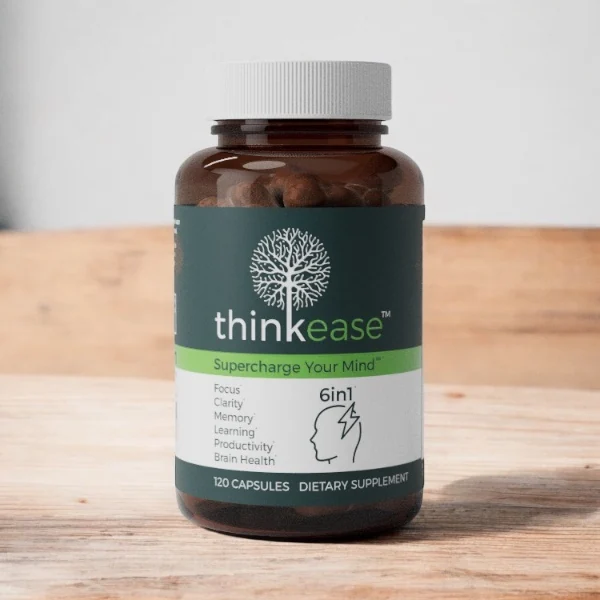
I would give a recommendation for ThinkEase on the basis of its ingredient transparency. ThinkEase includes ingredients such as Bacopa Monnieri, Citicoline and L-theanine. My research into this subject has shown that these ingredients have been studied for their potential cognitive effects. ThinkEase’s formula is designed to provide a comprehensive solution for consumers wanting cognitive support. Ingredient research is not proof that the finished product will outperform Focus Factor.